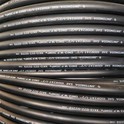
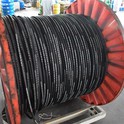
The burst pressure of a hydraulic hose is a critical parameter that determines its maximum capacity to withstand internal pressure before failing catastrophically. As a hydraulic hose supplier, understanding and communicating this concept to our customers is essential for ensuring the safe and efficient operation of their hydraulic systems. In this blog post, we'll delve into what burst pressure is, why it matters, and how it impacts the selection and use of hydraulic hoses.
What is Burst Pressure?
Burst pressure refers to the minimum internal pressure that a hydraulic hose can withstand before it ruptures or fails. It is a measure of the hose's ultimate strength and is typically expressed in pounds per square inch (psi) or megapascals (MPa). This value is determined through rigorous testing procedures conducted in accordance with industry standards such as SAE (Society of Automotive Engineers) or ISO (International Organization for Standardization).
During these tests, a sample of the hydraulic hose is subjected to increasing internal pressure until it bursts. The pressure at which the rupture occurs is recorded as the burst pressure. It's important to note that burst pressure is a safety margin and not a recommended operating pressure. Operating a hydraulic hose at or near its burst pressure is extremely dangerous and can lead to serious accidents, including personal injury and equipment damage.
Why Does Burst Pressure Matter?
The burst pressure of a hydraulic hose is a crucial factor in ensuring the safety and reliability of hydraulic systems. Here are some key reasons why burst pressure matters:
- Safety: A hydraulic hose that fails due to excessive pressure can cause a sudden release of high-pressure fluid, which can result in serious injuries to personnel and damage to equipment. By selecting a hose with an appropriate burst pressure rating, you can minimize the risk of hose failure and ensure the safety of your operations.
- System Performance: Using a hydraulic hose with a burst pressure rating that is too low for the application can lead to premature hose failure, leaks, and reduced system performance. On the other hand, selecting a hose with a higher burst pressure rating than necessary can result in increased costs and unnecessary weight. Therefore, it's important to choose a hose with a burst pressure rating that is suitable for the specific operating conditions of your hydraulic system.
- Compliance: Many industries have regulations and standards that specify the minimum burst pressure requirements for hydraulic hoses. By using hoses that meet these requirements, you can ensure compliance with industry regulations and avoid potential legal issues.
Factors Affecting Burst Pressure
Several factors can affect the burst pressure of a hydraulic hose, including:
- Hose Construction: The construction of a hydraulic hose, including the type of reinforcement (e.g., braided, spiral), the number of reinforcement layers, and the material of the inner tube and outer cover, can have a significant impact on its burst pressure. Generally, hoses with more reinforcement layers and stronger materials have higher burst pressure ratings.
- Temperature: The temperature of the hydraulic fluid and the surrounding environment can affect the burst pressure of a hydraulic hose. High temperatures can cause the hose material to weaken, reducing its burst pressure. Therefore, it's important to select a hose that is suitable for the operating temperature range of your hydraulic system.
- Fluid Compatibility: The compatibility of the hydraulic fluid with the hose material can also affect the burst pressure. Some fluids can cause the hose material to swell, crack, or degrade, reducing its burst pressure. Therefore, it's important to choose a hose that is compatible with the type of hydraulic fluid used in your system.
- Installation and Maintenance: Proper installation and maintenance of hydraulic hoses are essential for ensuring their long-term performance and burst pressure. Incorrect installation, such as kinking or over-tightening the hose fittings, can damage the hose and reduce its burst pressure. Regular inspection and maintenance of hoses can help detect and prevent potential problems before they lead to hose failure.
Selecting the Right Hydraulic Hose
When selecting a hydraulic hose, it's important to consider the burst pressure rating in addition to other factors such as operating pressure, temperature, fluid compatibility, and hose size. Here are some tips for selecting the right hydraulic hose for your application:
- Determine the Operating Pressure: The first step in selecting a hydraulic hose is to determine the maximum operating pressure of your hydraulic system. This will help you choose a hose with a burst pressure rating that is suitable for your application. As a general rule, the burst pressure rating of the hose should be at least four times the maximum operating pressure.
- Consider the Temperature Range: The temperature of the hydraulic fluid and the surrounding environment can affect the performance and burst pressure of the hose. Make sure to choose a hose that is suitable for the operating temperature range of your system.
- Check the Fluid Compatibility: Ensure that the hose material is compatible with the type of hydraulic fluid used in your system. Using a hose that is not compatible with the fluid can cause the hose to degrade and reduce its burst pressure.
- Choose the Right Hose Size: The size of the hydraulic hose, including the inner diameter and the outer diameter, can affect the flow rate and pressure drop of the system. Make sure to choose a hose size that is appropriate for the flow rate and pressure requirements of your system.
Our Hydraulic Hose Products
As a leading hydraulic hose supplier, we offer a wide range of high-quality hydraulic hoses to meet the needs of various applications. Our products include Hyd Hose Assy, JINTONGDA Rubber Hose 15m, and Rubber Hose To Pvc SAE R7 R8. All of our hoses are manufactured to meet or exceed industry standards and are tested for burst pressure and other performance parameters to ensure their reliability and safety.


If you're looking for a reliable hydraulic hose supplier, we invite you to contact us to discuss your specific requirements. Our team of experts can help you select the right hydraulic hose for your application and provide you with competitive pricing and excellent customer service.
Conclusion
The burst pressure of a hydraulic hose is a critical parameter that determines its maximum capacity to withstand internal pressure before failing. Understanding the concept of burst pressure and its importance in hydraulic systems is essential for ensuring the safety and reliability of your operations. By selecting the right hydraulic hose with an appropriate burst pressure rating and following proper installation and maintenance procedures, you can minimize the risk of hose failure and ensure the long-term performance of your hydraulic system.
If you have any questions or need further information about hydraulic hoses and burst pressure, please don't hesitate to contact us. We're here to help you find the best solutions for your hydraulic system needs.
References
- Society of Automotive Engineers (SAE). Hydraulic Hose Standards.
- International Organization for Standardization (ISO). Hydraulic Fluid Power - Hoses, Tubing and Fittings.