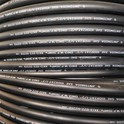
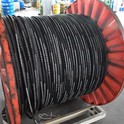
Hey there! As a supplier of RUBBER Hose SAE R16, I often get asked about the burst pressure of these hoses. It's a crucial topic, especially for those in the hydraulic industry. So, let's dive right in and explore what the burst pressure of RUBBER Hose SAE R16 really means.
First off, what is burst pressure? Simply put, it's the maximum pressure a hose can withstand before it fails catastrophically. In other words, when the pressure inside the hose exceeds its burst pressure, the hose will burst, which can be extremely dangerous in a hydraulic system. It can lead to fluid leaks, equipment damage, and even pose a safety risk to operators.
Now, let's talk about RUBBER Hose SAE R16 specifically. This type of hose is designed for high - pressure hydraulic applications. It's built to handle tough conditions and has certain standards set by the Society of Automotive Engineers (SAE). The SAE R16 standard defines the requirements for a two - wire braid hydraulic hose, which gives it a good balance of flexibility and strength.
The burst pressure of RUBBER Hose SAE R16 can vary depending on several factors. One of the main factors is the hose size. Smaller diameter hoses generally have higher burst pressures compared to larger ones. For example, a 1/4 - inch RUBBER Hose SAE R16 might have a significantly higher burst pressure than a 1 - inch hose. This is because the smaller the cross - sectional area, the less force is exerted on the hose walls for a given pressure.
Another factor that affects the burst pressure is the quality of the materials used in the hose construction. At our company, we use high - grade rubber compounds for the inner tube and outer cover of the RUBBER Hose SAE R16. The inner tube is made to resist the hydraulic fluid flowing through it, while the outer cover protects the hose from environmental factors like abrasion, ozone, and sunlight. The two - wire braid reinforcement is also made from high - strength steel wire, which provides the necessary structural support to withstand high pressures.
Typically, the burst pressure of RUBBER Hose SAE R16 is around 4 times the working pressure. For instance, if a hose has a working pressure of 3000 psi (pounds per square inch), its burst pressure would be approximately 12000 psi. However, it's important to note that this is just a general rule of thumb. The actual burst pressure can be influenced by other factors such as the temperature of the hydraulic fluid, the frequency of pressure fluctuations, and the installation conditions.
Temperature plays a significant role in the burst pressure of the hose. High temperatures can cause the rubber to soften and lose its strength, reducing the burst pressure. On the other hand, extremely low temperatures can make the rubber brittle, which also increases the risk of failure. That's why it's important to choose a RUBBER Hose SAE R16 that is rated for the temperature range of your specific application.
Pressure fluctuations are another concern. In a hydraulic system, the pressure can vary rapidly, and these fluctuations can put additional stress on the hose. A hose that is constantly subjected to high - frequency pressure changes may have a lower effective burst pressure over time. To mitigate this, we recommend using hoses with a higher safety factor and proper installation techniques to minimize the impact of pressure fluctuations.
Proper installation is crucial for ensuring the hose reaches its rated burst pressure. Incorrect installation, such as kinking the hose or over - tightening the fittings, can weaken the hose and reduce its burst pressure. It's important to follow the manufacturer's installation guidelines carefully. Make sure the hose is cut straight, the fittings are installed correctly, and there is enough slack in the hose to allow for movement without causing excessive stress.
Comparing RUBBER Hose SAE R16 with other SAE - rated hoses, like RUBBER Hose SAE R15 and RUBBER Hose SAE R13, each has its own characteristics. RUBBER Hose SAE R15 is a single - wire braid hose, which generally has a lower burst pressure compared to the two - wire braid R16. The R13 is a four - wire spiral hose, which can handle even higher pressures than the R16 but may be less flexible.
When it comes to choosing the right hose for your application, you need to consider not only the burst pressure but also other factors like flexibility, cost, and compatibility with the hydraulic fluid. Our RUBBER Hose SAE R16 offers a great combination of high burst pressure, good flexibility, and reasonable cost.
We understand that every customer's needs are different. Whether you're in the construction, agriculture, or manufacturing industry, we can provide you with the right RUBBER Hose SAE R16 that meets your specific requirements. Our team of experts can help you select the correct hose size, understand the burst pressure ratings, and ensure proper installation.


If you're interested in learning more about our RUBBER Hose SAE R16 or have any questions about burst pressure, don't hesitate to reach out. We're here to help you make the best decision for your hydraulic system. Contact us today to start a conversation about your hose needs and let's work together to find the perfect solution.
References:
- Society of Automotive Engineers (SAE) standards for hydraulic hoses
- Industry research on hydraulic hose performance and safety