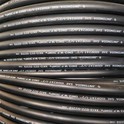
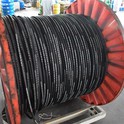
As a dedicated supplier of RUBBER Hose SAE R16, I've delved deep into the technical nuances of this product. One of the most frequently asked questions by our clients is about the steam resistance of RUBBER Hose SAE R16. In this blog post, I'll share my knowledge and insights on this topic.
Understanding the Basics of RUBBER Hose SAE R16
Before we jump into the steam resistance aspect, let's briefly understand what RUBBER Hose SAE R16 is. The SAE (Society of Automotive Engineers) has set standards for various types of hydraulic rubber hoses, and R16 is one of them. RUBBER Hose SAE R16 is a high - pressure hydraulic hose designed for use in a wide range of industrial applications. It typically consists of an inner tube, reinforcement layers, and an outer cover. The inner tube is usually made of synthetic rubber, which provides a smooth surface for fluid flow and helps resist chemical attack. The reinforcement layers, often made of high - strength steel wire braids, give the hose its pressure - bearing capacity. The outer cover protects the inner components from abrasion, ozone, and environmental factors.


Importance of Steam Resistance
Steam is a common medium used in many industrial processes, such as power generation, food processing, and manufacturing. When a rubber hose is exposed to steam, it is subjected to a combination of high temperature, high pressure, and moisture. If the hose does not have adequate steam resistance, it can lead to several problems. For example, the rubber may degrade over time, resulting in cracks, leaks, or even a complete failure of the hose. This not only disrupts the industrial process but also poses safety risks to the operators. Therefore, understanding the steam resistance of RUBBER Hose SAE R16 is crucial for ensuring its reliable performance in steam - related applications.
Factors Affecting Steam Resistance of RUBBER Hose SAE R16
1. Rubber Material
The type of rubber used in the inner tube and outer cover of the hose plays a significant role in its steam resistance. Different rubber compounds have different chemical and physical properties, which affect their ability to withstand steam. For example, EPDM (Ethylene Propylene Diene Monomer) rubber is known for its excellent steam resistance. It has a high degree of saturation, which makes it resistant to oxidation and hydrolysis. This means that EPDM rubber can maintain its integrity even when exposed to high - temperature steam for extended periods. On the other hand, natural rubber is not suitable for steam applications as it is prone to degradation when exposed to heat and moisture.
2. Temperature and Pressure
The temperature and pressure of the steam are also important factors. Steam can reach very high temperatures and pressures, and the hose must be able to withstand these conditions. Generally, as the temperature and pressure increase, the steam resistance requirements of the hose become more stringent. RUBBER Hose SAE R16 is designed to handle high - pressure applications, but its performance in steam service may be affected by the specific temperature and pressure of the steam. For example, at extremely high temperatures, the rubber may start to soften and lose its mechanical properties, reducing the hose's ability to maintain its shape and integrity.
3. Exposure Time
The length of time the hose is exposed to steam also affects its steam resistance. Prolonged exposure to steam can cause cumulative damage to the rubber. Even if the hose can withstand short - term exposure to steam, long - term exposure may lead to gradual degradation of the rubber material. Therefore, it is important to consider the expected service life of the hose in a steam environment when evaluating its steam resistance.
Testing Steam Resistance
To determine the steam resistance of RUBBER Hose SAE R16, various testing methods are used. One common method is the steam aging test. In this test, a sample of the hose is exposed to steam at a specified temperature and pressure for a certain period of time. After the exposure, the hose is examined for changes in its physical and mechanical properties, such as hardness, tensile strength, and elongation. Another method is the burst pressure test after steam exposure. This test measures the maximum pressure the hose can withstand after being exposed to steam, which gives an indication of its structural integrity.
Comparison with Other Types of Rubber Hoses
It's interesting to compare the steam resistance of RUBBER Hose SAE R16 with other types of rubber hoses. For example, Rubber Hose 2SN is another type of hydraulic rubber hose. While it is designed for high - pressure hydraulic applications, its steam resistance may be different from that of RUBBER Hose SAE R16. Similarly, RUBBER Hose SAE R13 and RUBBER Hose SAE R2AT have their own characteristics in terms of steam resistance. Each hose is designed to meet specific application requirements, and the choice between them depends on factors such as the operating conditions, pressure, and steam characteristics.
Our Approach as a Supplier
As a supplier of RUBBER Hose SAE R16, we take several steps to ensure the steam resistance of our products. First, we carefully select the rubber materials for our hoses. We work with high - quality rubber suppliers and conduct strict quality control on the incoming materials. Second, we use advanced manufacturing processes to ensure the proper bonding of the rubber layers and the reinforcement layers. This helps to improve the overall structural integrity of the hose and enhance its steam resistance. Third, we perform comprehensive testing on our hoses before they are shipped to the customers. This includes steam aging tests, burst pressure tests, and other performance tests to ensure that the hoses meet or exceed the industry standards for steam resistance.
Applications of RUBBER Hose SAE R16 with Good Steam Resistance
RUBBER Hose SAE R16 with good steam resistance has a wide range of applications. In the power generation industry, it can be used in steam turbines to transfer steam from the boiler to the turbine. In the food processing industry, it can be used for steam cleaning and sterilization processes. In the manufacturing industry, it can be used in steam - driven machinery and equipment.
Conclusion
In conclusion, the steam resistance of RUBBER Hose SAE R16 is a complex but important characteristic. It is affected by factors such as rubber material, temperature, pressure, and exposure time. As a supplier, we are committed to providing high - quality RUBBER Hose SAE R16 with excellent steam resistance. If you are in need of a reliable rubber hose for your steam - related applications, we would be more than happy to discuss your requirements. Contact us to start a procurement negotiation and find the best solution for your needs.
References
- SAE J517 Standard for Hydraulic Rubber Hoses
- ASTM Standards for Rubber Hose Testing
- Industry Reports on Rubber Hose Performance in Steam Applications