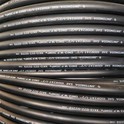
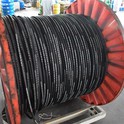
In the realm of fluid transfer systems, hoses play a pivotal role, serving as conduits for various substances such as water, chemicals, gases, and more. When it comes to hoses, one of the fundamental distinctions is between low pressure hoses and high pressure hoses. As a reputable supplier of low pressure hoses, I am well - versed in the characteristics of both types and am eager to share insights into their differences.
Working Pressure
The most obvious difference between low pressure hoses and high pressure hoses lies in their working pressure capabilities. Low pressure hoses are designed to operate at relatively low pressures, typically ranging from a few pounds per square inch (psi) up to around 300 psi. These hoses are suitable for applications where the fluid does not need to be forced through the system with great force. For instance, garden hoses are a common type of low pressure hose. They are used to transfer water at a gentle flow rate, usually for watering plants, washing cars, or other domestic tasks.
On the other hand, high pressure hoses are engineered to withstand much higher pressures, often exceeding 1000 psi and in some industrial applications, reaching tens of thousands of psi. High pressure hoses are used in scenarios where a large amount of force is required to move the fluid, such as in hydraulic systems, high - pressure cleaning equipment, and oil and gas extraction operations. In a hydraulic system, for example, high pressure hoses are used to transfer hydraulic fluid under high pressure to power various mechanical components, like the lifting arms of a construction vehicle.
Construction and Materials
The construction and materials used in low pressure hoses and high pressure hoses also vary significantly to accommodate their different pressure requirements.
Low pressure hoses generally have a simpler construction. They often consist of an inner tube, a single layer of reinforcement, and an outer cover. The inner tube is typically made of materials such as PVC (polyvinyl chloride), rubber, or polyethylene, which are chosen for their compatibility with the fluid being transferred. For example, a Colored Rubber Hose is made of rubber, which is flexible and resistant to water and many common chemicals. The reinforcement layer, which can be made of textile fibers like polyester or nylon, provides some strength to the hose but is not as robust as that of high pressure hoses. The outer cover is usually made of a material that protects the hose from abrasion, weather, and other environmental factors.
High pressure hoses, in contrast, have a more complex and robust construction. They usually have multiple layers of reinforcement, which can include steel wire braids, steel wire spirals, or synthetic fibers with high tensile strength. These reinforcement layers are essential for withstanding the high pressures. The inner tube of high pressure hoses is also made of materials that can resist the high - pressure environment and the chemical properties of the fluid. For example, in high - pressure hydraulic hoses, the inner tube is often made of a special synthetic rubber that can withstand the high - pressure hydraulic fluid. The outer cover of high pressure hoses is designed to be extremely durable, protecting the hose from damage in harsh industrial environments.


Flexibility
Flexibility is another aspect where low pressure hoses and high pressure hoses differ. Low pressure hoses are typically more flexible than high pressure hoses. The simpler construction and the use of more pliable materials in low pressure hoses allow them to bend easily. This flexibility makes them ideal for applications where the hose needs to be maneuvered around obstacles or in tight spaces. For example, a 3 8 Low Pressure Propane Hose used for connecting a propane tank to a small appliance like a camping stove needs to be flexible so that it can be easily arranged without kinking.
High pressure hoses, due to their more rigid reinforcement layers, are generally less flexible. The multiple layers of steel wire or high - strength synthetic fibers that provide the necessary pressure resistance also make the hose stiffer. However, modern high pressure hoses are designed to have a certain degree of flexibility to make them more practical for use. In some cases, special designs and materials are used to improve the flexibility of high pressure hoses while still maintaining their pressure - resistant properties.
Applications
The differences in pressure, construction, and flexibility lead to distinct applications for low pressure hoses and high pressure hoses.
Low pressure hoses are widely used in domestic, agricultural, and light - industrial applications. In the home, as mentioned earlier, garden hoses are a common type of low pressure hose. In agriculture, low pressure hoses are used for irrigation systems, where water is distributed at a relatively low pressure to fields or gardens. In light - industrial settings, low pressure hoses can be used for transferring non - hazardous fluids, such as in some food and beverage processing plants. For example, a Arpico Rubber Hose can be used for transferring water or other non - corrosive liquids in a small - scale manufacturing facility.
High pressure hoses are mainly used in heavy - industrial, automotive, and specialized applications. In the industrial sector, they are essential in hydraulic systems for machinery like presses, excavators, and forklifts. In the automotive industry, high pressure hoses are used in fuel injection systems, brake systems, and power steering systems. Specialized applications include high - pressure water jet cutting, where high pressure hoses are used to deliver water at extremely high pressures to cut through various materials.
Cost
Cost is also a factor that differentiates low pressure hoses and high pressure hoses. Low pressure hoses are generally more affordable than high pressure hoses. The simpler construction and the use of less expensive materials in low pressure hoses contribute to their lower cost. This makes them a cost - effective choice for applications where high pressure is not required.
High pressure hoses, on the other hand, are more expensive due to their complex construction and the use of high - quality, high - strength materials. The manufacturing process of high pressure hoses is also more involved, which adds to the cost. However, in applications where high pressure is necessary, the investment in high pressure hoses is justified by their ability to perform under extreme conditions.
Safety Considerations
Safety is of utmost importance when using both low pressure hoses and high pressure hoses, but the risks and safety measures associated with each type are different.
Low pressure hoses, although they operate at lower pressures, still need to be used correctly. Over - pressurizing a low pressure hose can cause it to burst, which can lead to fluid spills and potential injury. It is important to ensure that the hose is rated for the specific fluid and pressure of the application. Additionally, regular inspection of the hose for signs of wear, such as cracks or leaks, is necessary.
High pressure hoses pose a greater safety risk. A failure of a high pressure hose can result in a high - velocity fluid jet, which can cause serious injury or even be fatal. Therefore, strict safety protocols are required when using high pressure hoses. This includes proper installation, regular maintenance, and pressure testing. Only trained personnel should handle high pressure hoses, and appropriate personal protective equipment should be worn.
As a supplier of low pressure hoses, I understand the importance of providing high - quality products that meet the specific needs of our customers. Whether you are looking for a hose for your garden, a light - industrial application, or any other low - pressure requirement, we have a wide range of options to choose from. Our Arpico Rubber Hose, 3 8 Low Pressure Propane Hose, and Colored Rubber Hose are just a few examples of our high - quality low pressure hoses.
If you are interested in learning more about our low pressure hoses or would like to discuss your specific requirements, please feel free to contact us. We are always ready to assist you in finding the perfect hose for your application.
References
- "Handbook of Hydraulic Hoses" by various authors
- "Fluid Power Technology" textbooks
- Industry standards and guidelines for hose manufacturing and usage