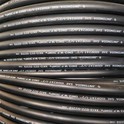
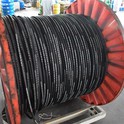
Pressure is a critical factor that significantly influences the performance, durability, and safety of a Hyd Hose Assy. As a Hyd Hose Assy supplier, I have witnessed firsthand the various impacts that pressure can have on these essential components in hydraulic systems. In this blog, I will delve into the different aspects of how pressure affects a Hyd Hose Assy and why it is crucial to understand these impacts for proper selection and usage.
Structural Integrity and Pressure Resistance
One of the primary concerns when dealing with pressure in a Hyd Hose Assy is its structural integrity. Hydraulic hoses are designed to withstand specific pressure ratings, which are determined by factors such as the hose construction, materials used, and manufacturing processes. When the pressure within the hose exceeds its rated capacity, it can lead to catastrophic failures.
The construction of a hydraulic hose typically consists of an inner tube, reinforcement layers, and an outer cover. The inner tube is responsible for containing the hydraulic fluid, while the reinforcement layers provide strength and support to withstand the pressure. The outer cover protects the hose from external damage such as abrasion, chemicals, and environmental factors.
For example, Hydraulic Hose DIN EN853 is a type of hydraulic hose that is designed to meet specific European standards. It has a certain pressure rating based on its construction and materials. If the pressure in the system exceeds this rating, the reinforcement layers may start to fail, leading to bulges or even bursts in the hose. This can result in fluid leakage, which not only poses a safety hazard but also leads to system inefficiency and potential damage to other components.
Similarly, Hydraulic Hose DIN EN857 has its own set of pressure requirements. These hoses are often used in high-pressure applications, and any deviation from the recommended pressure range can have severe consequences. The reinforcement layers in these hoses are typically made of high-strength materials such as steel wire or synthetic fibers, which are designed to withstand high pressures. However, if the pressure is too high, these materials can become overstressed, leading to premature failure.
Fatigue and Wear
In addition to the immediate impact on structural integrity, pressure can also cause fatigue and wear in a Hyd Hose Assy over time. Hydraulic systems often operate under cyclic pressure conditions, where the pressure fluctuates between high and low levels. These cyclic pressures can cause the hose to expand and contract repeatedly, leading to fatigue in the materials.
The inner tube of the hose is particularly susceptible to fatigue. As the pressure increases, the inner tube is stretched, and when the pressure decreases, it contracts. This repeated stretching and contraction can cause the material of the inner tube to weaken and develop cracks. Over time, these cracks can grow and eventually lead to fluid leakage.
The reinforcement layers are also affected by fatigue. The cyclic pressures can cause the wires or fibers in the reinforcement layers to rub against each other, leading to wear. This wear can reduce the strength of the reinforcement layers, making the hose more vulnerable to pressure-induced failures.
Moreover, high pressure can also increase the friction between the hydraulic fluid and the inner surface of the hose. This friction can cause wear on the inner tube, further reducing its lifespan. To mitigate these effects, it is essential to select a Hyd Hose Assy with a pressure rating that is appropriate for the application and to ensure that the system operates within the recommended pressure range.
Temperature and Pressure Interaction
Pressure and temperature are closely related in a hydraulic system, and their interaction can have a significant impact on the performance of a Hyd Hose Assy. As the pressure in the system increases, the temperature of the hydraulic fluid also tends to rise. This is because the energy required to compress the fluid is converted into heat.
High temperatures can have a detrimental effect on the materials used in the hose. The rubber materials used in the inner tube and outer cover can become soft and lose their elasticity at high temperatures. This can lead to increased permeability of the inner tube, allowing the hydraulic fluid to seep through and potentially cause damage to the reinforcement layers.
On the other hand, low temperatures can make the rubber materials brittle, reducing their flexibility and increasing the risk of cracking. When combined with high pressure, these temperature-induced changes can significantly reduce the lifespan of the hose and increase the likelihood of failure.
For example, in cold weather conditions, the hydraulic fluid may thicken, increasing the pressure in the system. If the hose is not designed to withstand these low-temperature and high-pressure conditions, it can fail prematurely. Therefore, it is crucial to consider the temperature and pressure conditions together when selecting a Hyd Hose Assy.
System Efficiency and Performance
The impact of pressure on a Hyd Hose Assy also extends to the overall efficiency and performance of the hydraulic system. When the pressure in the system is not properly regulated, it can lead to energy losses and reduced system performance.
If the pressure is too high, the hydraulic pump has to work harder to maintain the flow of fluid through the hose. This increased workload on the pump can lead to higher energy consumption and increased wear on the pump components. Additionally, the high pressure can cause the fluid to leak through small cracks or gaps in the hose, further reducing the efficiency of the system.


Conversely, if the pressure is too low, the hydraulic actuators may not operate properly, leading to reduced force and speed. This can result in poor performance of the equipment and decreased productivity. Therefore, maintaining the correct pressure in the system is essential for optimal system efficiency and performance.
Importance of Proper Pressure Management
As a Hyd Hose Assy supplier, I emphasize the importance of proper pressure management in hydraulic systems. This starts with the correct selection of the hose based on the pressure requirements of the application. It is essential to choose a hose with a pressure rating that is higher than the maximum pressure expected in the system to ensure a safety margin.
Regular inspection and maintenance of the Hyd Hose Assy are also crucial. This includes checking for signs of wear, damage, and leaks, as well as monitoring the pressure in the system. If any issues are detected, the hose should be replaced immediately to prevent further damage and ensure the safety of the system.
In addition, proper installation of the Hyd Hose Assy is essential. Incorrect installation can lead to kinks, bends, or twists in the hose, which can increase the pressure in certain areas and cause premature failure. It is important to follow the manufacturer's installation instructions carefully to ensure that the hose is installed correctly.
Conclusion
In conclusion, pressure has a profound impact on a Hyd Hose Assy. It affects the structural integrity, causes fatigue and wear, interacts with temperature, and influences the overall efficiency and performance of the hydraulic system. As a Hyd Hose Assy supplier, I understand the importance of providing high-quality hoses that are designed to withstand the specific pressure requirements of each application.
If you are in need of a reliable Hyd Hose Assy for your hydraulic system, I encourage you to [contact us](not provided) for a consultation. We have a wide range of Hydraulic Hose options available, including those that meet international standards such as DIN EN853 and DIN EN857. Our team of experts can help you select the right hose for your application and ensure that it is installed and maintained properly.
References
- Hydraulic Hose Handbook, various industry publications
- Standards and guidelines from organizations such as ISO and DIN