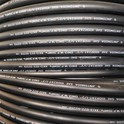
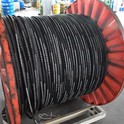
Tear strength is a vital mechanical property when it comes to rubber hoses. As a supplier of rubber hoses, understanding and communicating the significance of tear strength is crucial for both our customers and the overall quality of our products. In this blog, we'll delve into what tear strength is, why it matters for rubber hoses, and how it impacts the performance and durability of our offerings.
What is Tear Strength?
Tear strength refers to the ability of a material, in this case, rubber, to resist the growth of a cut or notch when a force is applied in a direction that tends to tear the material apart. It is typically measured in units of force per unit thickness, such as pounds per inch (lb/in) or newtons per meter (N/m). The tear strength of a rubber hose is determined by subjecting a test specimen of the rubber to a tearing force under specific conditions, as defined by international standards such as ASTM D624 or ISO 34.
The test involves cutting a small notch in the rubber specimen and then pulling the specimen apart at a constant rate until it tears completely. The maximum force required to tear the specimen is recorded, and the tear strength is calculated by dividing this force by the thickness of the specimen at the notch. This measurement provides an indication of how well the rubber can withstand tearing forces in real-world applications.
Why Tear Strength Matters for Rubber Hoses
Rubber hoses are used in a wide range of applications, from automotive and industrial to household and agricultural settings. In many of these applications, hoses are subjected to various stresses and strains that can cause them to tear or rupture. For example, in automotive applications, Rubber Engine Hose may be exposed to high temperatures, vibrations, and mechanical stresses, which can lead to the development of cuts or notches. If the tear strength of the hose is insufficient, these cuts or notches can quickly propagate, resulting in a leak or failure of the hose.
Similarly, in industrial applications, Rubber Petrol Gasoline Hose may be used to transfer flammable or hazardous fluids. A hose with low tear strength may be more prone to tearing or puncturing, which can pose a significant safety risk. In household and agricultural applications, Rubber Pipe For Water may be subjected to abrasion, kinking, and other forms of mechanical damage. A hose with good tear strength is better able to withstand these types of damage and maintain its integrity over time.
Factors Affecting Tear Strength
Several factors can affect the tear strength of rubber hoses. These include:


- Rubber Compound: The type of rubber used in the hose construction plays a significant role in determining its tear strength. Different rubber compounds have different chemical and physical properties, which can affect their resistance to tearing. For example, natural rubber is known for its high tear strength, while synthetic rubbers such as neoprene and nitrile rubber may have lower tear strength but offer other advantages such as oil resistance or heat resistance.
- Reinforcement: Many rubber hoses are reinforced with materials such as fabric, wire, or fiber to improve their strength and durability. The type and amount of reinforcement used can have a significant impact on the tear strength of the hose. For example, a hose with a high-strength fabric reinforcement may have better tear resistance than a hose with a lower-strength reinforcement.
- Manufacturing Process: The manufacturing process used to produce the rubber hose can also affect its tear strength. Factors such as the curing process, the extrusion process, and the quality control measures in place can all impact the final properties of the hose. For example, a hose that is cured at the correct temperature and for the correct amount of time is more likely to have consistent tear strength throughout its length.
- Environmental Conditions: The environmental conditions in which the rubber hose is used can also affect its tear strength. Factors such as temperature, humidity, exposure to chemicals, and UV radiation can all degrade the rubber over time and reduce its tear strength. For example, a hose that is exposed to high temperatures or harsh chemicals may experience a decrease in tear strength over time.
Measuring and Testing Tear Strength
As a rubber hose supplier, we take the tear strength of our products very seriously. We use a variety of testing methods to ensure that our hoses meet or exceed the required standards for tear strength. These methods include:
- Tensile Testing: Tensile testing is a common method used to measure the tear strength of rubber hoses. In this test, a specimen of the rubber hose is pulled at a constant rate until it breaks. The maximum force required to break the specimen is recorded, and the tear strength is calculated based on the cross-sectional area of the specimen.
- Notched Tear Testing: Notched tear testing is a more specific method used to measure the tear strength of rubber hoses. In this test, a small notch is cut in the rubber specimen, and the specimen is then pulled at a constant rate until it tears. The maximum force required to tear the specimen is recorded, and the tear strength is calculated based on the thickness of the specimen at the notch.
- Dynamic Tear Testing: Dynamic tear testing is a method used to simulate the real-world conditions in which rubber hoses are used. In this test, a specimen of the rubber hose is subjected to repeated cycles of tearing forces, and the tear strength is measured after a certain number of cycles. This method provides an indication of how well the hose can withstand tearing forces over time.
Ensuring High Tear Strength in Our Rubber Hoses
As a supplier of rubber hoses, we are committed to providing our customers with high-quality products that meet or exceed their expectations. To ensure the high tear strength of our hoses, we take the following steps:
- Selecting the Right Rubber Compound: We carefully select the rubber compound used in our hoses based on the specific application and the required properties. We work with our suppliers to ensure that the rubber compound meets our strict quality standards for tear strength and other mechanical properties.
- Using High-Quality Reinforcement: We use high-quality reinforcement materials such as fabric, wire, or fiber to improve the tear strength and durability of our hoses. We carefully select the type and amount of reinforcement based on the specific application and the required properties.
- Implementing Strict Quality Control Measures: We have a strict quality control system in place to ensure that our hoses are manufactured to the highest standards. We conduct regular inspections and tests throughout the manufacturing process to ensure that the tear strength and other mechanical properties of our hoses meet our specifications.
- Providing Technical Support: We provide our customers with technical support and advice on the selection and use of our rubber hoses. We can help our customers determine the appropriate tear strength for their specific application and recommend the best hose for their needs.
Conclusion
Tear strength is a critical property of rubber hoses that can have a significant impact on their performance and durability. As a rubber hose supplier, we understand the importance of tear strength and take every step to ensure that our hoses meet or exceed the required standards. By selecting the right rubber compound, using high-quality reinforcement, implementing strict quality control measures, and providing technical support, we are able to provide our customers with high-quality rubber hoses that are reliable and long-lasting.
If you are in the market for rubber hoses and have questions about tear strength or any other aspect of our products, please don't hesitate to contact us. We would be happy to discuss your specific needs and provide you with a quote for our rubber hoses. Our team of experts is here to help you find the right solution for your application.
References
- ASTM D624 - Standard Test Method for Tear Strength of Conventional Vulcanized Rubber and Thermoplastic Elastomers
- ISO 34 - Rubber, Vulcanized or Thermoplastic - Determination of Tear Strength