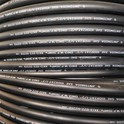
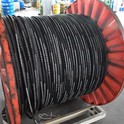
Hey there! As a supplier of Rubber Hose 4SH, I often get asked about what goes on inside these hoses. So, today, I'm gonna break down the inner layer material of Rubber Hose 4SH for you.

Understanding the Basics of Rubber Hose 4SH
Before we dive into the inner - layer material, let's quickly talk about what Rubber Hose 4SH is. It's a high - pressure hydraulic hose that's commonly used in heavy - duty applications. Think of construction equipment, mining machinery, and other industrial settings where there's a need for high - performance hoses that can handle a lot of pressure.

Now, the inner layer of a hose is super important. It's the part that comes into direct contact with the fluid being transported. Whether it's hydraulic oil, water, or some other type of fluid, the inner layer needs to be able to withstand the properties of that fluid, like its chemical composition, temperature, and pressure.
Common Inner Layer Materials for Rubber Hose 4SH
Nitrile Rubber (NBR)
One of the most widely used materials for the inner layer of Rubber Hose 4SH is nitrile rubber, or NBR for short. NBR has some really great properties that make it suitable for hydraulic applications.
First off, it has excellent resistance to oil and fuel. Since hydraulic systems usually use oil as the working fluid, this is a must - have property. NBR can prevent the oil from seeping through the hose walls, which not only ensures the efficiency of the hydraulic system but also helps in maintaining a clean working environment.
It also has good abrasion resistance. In a lot of industrial settings, hoses can get rubbed against other equipment or surfaces. The abrasion resistance of NBR helps the inner layer of the hose to stay intact for a longer time, reducing the chances of leaks and failures.
However, NBR does have its limitations. It's not very resistant to high temperatures. If the hydraulic fluid gets too hot, the NBR inner layer can start to break down, which can lead to a decrease in the hose's performance and lifespan.
Fluoroelastomers (FKM)
Fluoroelastomers, often referred to as FKM, are another option for the inner layer of Rubber Hose 4SH. These materials are known for their outstanding chemical resistance. They can withstand a wide range of chemicals, including aggressive solvents and acids.
In high - temperature applications, FKM really shines. It can handle much higher temperatures compared to NBR. So, in environments where the hydraulic fluid gets extremely hot, like in some industrial engines or high - pressure hydraulic systems, FKM is a great choice for the inner layer.
But there's a catch. FKM is more expensive than NBR. The cost of production is higher, and that's reflected in the price of the hose. So, while it offers great performance, it might not be the most cost - effective option for all applications.
EPDM (Ethylene Propylene Diene Monomer)
EPDM is also used as an inner - layer material in some cases. It has good resistance to water and steam. So, if the Rubber Hose 4SH is going to be used in applications where it comes into contact with water, like in some water - based hydraulic systems or in cooling applications, EPDM can be a good choice.
It also has decent weather resistance. This means that if the hose is used outdoors, it can withstand the effects of sunlight, rain, and other weather conditions without degrading too quickly.
On the downside, EPDM is not as resistant to oil as NBR. So, it's not suitable for most traditional hydraulic systems that use oil as the working fluid.
Factors Affecting the Choice of Inner Layer Material
When choosing the inner layer material for Rubber Hose 4SH, there are several factors to consider.
Fluid Compatibility
As I mentioned earlier, the inner layer needs to be compatible with the fluid it's going to carry. If it's an oil - based hydraulic system, NBR or FKM might be the way to go. For water - based systems, EPDM could be a better option.
Temperature Range
The temperature of the fluid and the operating environment is crucial. High - temperature applications require materials like FKM, while NBR and EPDM are better suited for more moderate temperature ranges.
Pressure Requirements
Higher pressure systems need inner layer materials that can withstand the stress. The material should be able to maintain its integrity under high pressure without bursting or leaking.
Cost
Cost is always a factor in any business decision. If budget is a constraint, NBR might be the more practical choice, even though FKM offers better performance in some aspects.
Comparing with Other Rubber Hoses
It's interesting to compare the inner layer materials of Rubber Hose 4SH with other types of rubber hoses, like Rubber Hose EN856, Rubber Hose EN853, and Rubber Hose 2SC.
These hoses are also used in hydraulic applications, but their inner layer materials can vary depending on their specific use cases. For example, Rubber Hose EN856 might have a different inner layer material based on its pressure rating and the type of fluid it's designed to carry. Similarly, Rubber Hose 2SC could be optimized for different environmental conditions compared to Rubber Hose 4SH.
Quality Control in Inner Layer Material Production
At our company, we take quality control very seriously when it comes to the inner layer material of Rubber Hose 4SH. We make sure that the raw materials used are of high quality. We test the materials for their physical and chemical properties, like hardness, tensile strength, and chemical resistance.
During the manufacturing process, we have strict quality control measures in place. We monitor the production line to ensure that the inner layer is formed correctly, with the right thickness and density. This helps in ensuring that the final product meets the high - performance standards required for heavy - duty applications.
Why Choose Our Rubber Hose 4SH
Our Rubber Hose 4SH offers a great combination of performance, durability, and cost - effectiveness. We use the best inner layer materials based on the specific requirements of the application. Whether it's NBR for oil - based systems, FKM for high - temperature applications, or EPDM for water - based systems, we've got you covered.

We also have a team of experts who can help you choose the right hose for your needs. We understand that every application is unique, and we're committed to providing you with the best solution.
Contact Us for Procurement
If you're in the market for Rubber Hose 4SH, or if you have any questions about the inner layer material or other aspects of our hoses, don't hesitate to reach out. We're here to help you make the right choice for your business. Let's start a conversation and see how we can work together to meet your hydraulic hose needs.
References
- "Handbook of Elastomers" by Henry Markovitz
- "Hydraulic Systems and Fluid Power" by Peter Dyke