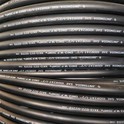
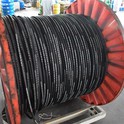
Hey there! As a supplier of RUBBER Hose SAE R15, I often get asked about the maximum working pressure of these hoses. So, I thought I'd write this blog to share some insights and clear up any confusion.
First off, let's talk a bit about what SAE R15 hoses are. They're designed for high - pressure hydraulic applications. These hoses are built tough to handle all sorts of demanding jobs in industries like construction, agriculture, and manufacturing.
The maximum working pressure of RUBBER Hose SAE R15 can vary based on a few factors. One of the main things that affects it is the hose size. Smaller diameter hoses generally have a higher maximum working pressure compared to larger ones. For instance, a 1/4 - inch RUBBER Hose SAE R15 might have a maximum working pressure of around 5000 psi (pounds per square inch), while a 1 - inch hose could have a maximum working pressure of about 2500 psi.
Another factor is the construction of the hose. The RUBBER Hose SAE R15 typically has multiple layers of reinforcement. It usually has an inner tube made of oil - resistant rubber, followed by several layers of high - tensile steel wire braids. The more layers of reinforcement, the higher the hose can withstand pressure. The outer cover is also made of a durable rubber that protects the inner layers from abrasion, weather, and chemicals.
Now, let's dig a bit deeper into the standards. The Society of Automotive Engineers (SAE) sets the guidelines for these hoses. Their standards ensure that the hoses are safe and reliable for use in different applications. When we manufacture RUBBER Hose SAE R15, we follow these SAE standards strictly. This means that our hoses are tested rigorously to make sure they can handle the specified maximum working pressure without failing.
If you're wondering how we test the hoses, we use specialized equipment. We apply pressure to the hoses in a controlled environment and monitor them closely. We check for any signs of leakage, bulging, or other forms of damage. Only when the hoses pass these tests are they considered fit for sale.
It's also important to note that the maximum working pressure is different from the burst pressure. The burst pressure is the point at which the hose will actually break or rupture. For RUBBER Hose SAE R15, the burst pressure is typically four times the maximum working pressure. So, if a hose has a maximum working pressure of 3000 psi, its burst pressure would be around 12000 psi. However, you should never operate the hose at or near its burst pressure. It's always recommended to stay well below the maximum working pressure to ensure safety and longevity of the hose.
When you're using RUBBER Hose SAE R15, you need to take into account the operating conditions. Things like temperature, fluid type, and vibration can all affect the performance of the hose. High temperatures can cause the rubber to degrade over time, which can reduce the hose's ability to withstand pressure. Similarly, if the fluid flowing through the hose is corrosive, it can damage the inner tube and the reinforcement layers.


So, how do RUBBER Hose SAE R15 compare to other types of hoses? Well, let's take a look at RUBBER Hose SAE R13. The SAE R13 hoses are also used in hydraulic applications, but they have a different construction and pressure rating. Generally, SAE R13 hoses are designed for lower - pressure applications compared to SAE R15. They might be a better choice for less demanding jobs where the pressure requirements are not as high.
If you're in the market for a durable hose for your hydraulic system, you might want to consider our Durable Hydraulic Rubber Hose. It offers a good balance of performance and durability. And of course, our RUBBER Hose SAE R15 is a top - notch option for high - pressure applications.
When it comes to choosing the right hose for your needs, it's always a good idea to consult with an expert. We're here to help you make the best decision. Whether you're a small - scale operator or a large - scale industrial company, we can provide you with the right RUBBER Hose SAE R15 for your specific requirements.
If you're interested in purchasing RUBBER Hose SAE R15 or want to learn more about them, don't hesitate to reach out. We're happy to have a chat about your needs and find the perfect solution for you. You can start a conversation with us to discuss your project, and we'll guide you through the selection process.
In conclusion, the maximum working pressure of RUBBER Hose SAE R15 is an important factor to consider when using these hoses in hydraulic systems. It varies depending on hose size, construction, and other factors. By understanding these factors and following the SAE standards, you can ensure the safe and efficient operation of your hydraulic equipment.
References
- Society of Automotive Engineers (SAE) standards for hydraulic hoses
- Industry reports on hydraulic hose performance and safety