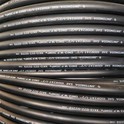
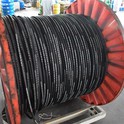
As a supplier of Rubber Hose EN857, I often receive inquiries from customers regarding the suitability of this type of hose for use with fuels. This is a crucial question, as using the wrong hose with fuels can lead to safety hazards, reduced performance, and potential damage to equipment. In this blog post, I will delve into the technical aspects of Rubber Hose EN857 and explore whether it is a suitable choice for fuel applications.
Understanding Rubber Hose EN857
Rubber Hose EN857 is a type of hydraulic hose that is designed and manufactured according to the European standard EN857. This standard specifies the requirements for two-wire braided hydraulic hoses, which are commonly used in hydraulic systems to transfer fluids under pressure. These hoses are typically composed of an inner tube, one or more layers of reinforcement, and an outer cover.
The inner tube of Rubber Hose EN857 is usually made of synthetic rubber, which provides a smooth surface for fluid flow and resists the chemical and physical effects of the fluid being transferred. The reinforcement layer consists of two layers of braided wire, which gives the hose its strength and pressure resistance. The outer cover is also made of synthetic rubber, which protects the inner components from environmental factors such as abrasion, weathering, and ozone.
Compatibility with Fuels
When considering the suitability of Rubber Hose EN857 for use with fuels, we need to evaluate two main factors: chemical compatibility and permeability.
Chemical Compatibility
Fuels come in various types, including gasoline, diesel, biofuels, and aviation fuels. Each type of fuel has its own chemical composition, which can react differently with the materials used in the hose. For example, gasoline contains a mixture of hydrocarbons, including aromatic compounds such as benzene, toluene, and xylene, which can be aggressive towards some types of rubber. Diesel fuel, on the other hand, has a higher viscosity and contains more long-chain hydrocarbons.


The inner tube material of Rubber Hose EN857 is typically selected based on its compatibility with hydraulic fluids. While some synthetic rubbers used in these hoses may have a certain degree of resistance to fuels, they may not be specifically formulated to withstand the long-term exposure to the harsh chemicals in fuels. For instance, nitrile rubber (NBR), which is commonly used in hydraulic hoses, has moderate resistance to gasoline and diesel. However, over time, continuous contact with fuels can cause the rubber to swell, harden, or crack, leading to a loss of its mechanical properties and potentially causing leaks.
Permeability
Permeability refers to the ability of a fluid to pass through the walls of the hose. Fuels, especially gasoline, have a relatively high vapor pressure and can permeate through the rubber material of the hose. This can lead to fuel evaporation, which not only results in a loss of fuel but also poses a safety risk due to the potential for fire and explosion.
Rubber Hose EN857 is not designed to have low permeability to fuels. The structure and material of the hose may allow fuels to seep through the walls, especially under high temperatures and pressures. This is in contrast to hoses that are specifically designed for fuel applications, which often have special barrier layers or materials to minimize fuel permeation.
Alternatives for Fuel Applications
If you need a hose for fuel transfer, there are several alternatives to Rubber Hose EN857 that are better suited for the task.
One option is Rubber Hose 1SC. This type of hose is designed for high-pressure hydraulic applications and can also be used for some fuel applications. It has a higher resistance to fuels compared to standard hydraulic hoses and is often used in applications where there is a need for a durable and reliable hose for fuel transfer.
Another alternative is Rubber Hose EN853. This standard covers one-wire braided hydraulic hoses, which are generally more flexible than two-wire braided hoses. Some hoses meeting the EN853 standard are specifically designed for use with fuels and have improved chemical resistance and low permeability.
Rubber Hose 1SN is also a viable option for fuel applications. It is a high-pressure hydraulic hose with a single wire braid reinforcement. Hoses of this type can be engineered to have better compatibility with fuels and are often used in automotive and industrial fuel systems.
Conclusion
In conclusion, while Rubber Hose EN857 is a reliable and widely used hydraulic hose, it is not recommended for use with fuels. The chemical composition and permeability characteristics of fuels can cause damage to the hose over time, leading to safety risks and performance issues. If you require a hose for fuel applications, it is advisable to choose a hose that is specifically designed and rated for use with the type of fuel you are dealing with.
As a supplier, I understand the importance of providing the right products for your specific needs. If you have any questions or need further information about hoses for fuel applications, please do not hesitate to contact me. We can discuss your requirements in detail and help you select the most suitable hose for your project. Whether you need a hose for a small-scale automotive application or a large industrial fuel system, we have the expertise and products to meet your needs. Let's start a conversation about your hose requirements and find the best solution together.
References
- European Committee for Standardization. (Year). EN 857: (Standard number and title). Brussels: CEN.
- Manufacturers' technical data sheets for Rubber Hose EN857, Rubber Hose 1SC, Rubber Hose EN853, and Rubber Hose 1SN.