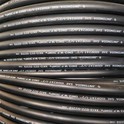
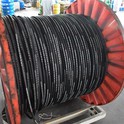
The minimum bending radius of rubber hoses is a critical parameter that significantly influences their performance, durability, and safety. As a supplier of Rubber Hose EN857, I am often asked about the minimum bending radius of these hoses. In this blog post, I will delve into what the minimum bending radius of Rubber Hose EN857 is, why it matters, and how it is determined.
Understanding Rubber Hose EN857
Rubber Hose EN857 is a type of hydraulic hose that conforms to the European standard EN857. This standard classifies hydraulic hoses based on their construction and performance characteristics. EN857 hoses are designed for high - pressure hydraulic systems and are commonly used in various industrial applications, such as construction machinery, agricultural equipment, and manufacturing plants.
The hoses are typically composed of an inner tube, reinforcement layers, and an outer cover. The inner tube is made of oil - resistant rubber and is responsible for transporting the hydraulic fluid. The reinforcement layers, which can be made of steel wire or textile, provide the hose with the necessary strength to withstand high pressures. The outer cover protects the hose from environmental factors such as abrasion, ozone, and weathering.
What is the Minimum Bending Radius?
The minimum bending radius of a rubber hose is the smallest radius to which the hose can be bent without causing permanent damage to its structure or affecting its performance. When a hose is bent beyond its minimum bending radius, several negative consequences can occur. For example, the inner tube may collapse, restricting the flow of hydraulic fluid. The reinforcement layers can also be damaged, leading to a loss of pressure - holding capacity and potentially causing the hose to burst.
The minimum bending radius is usually specified in millimeters (mm) and is determined by the hose's construction, size, and the type of reinforcement used. For Rubber Hose EN857, the minimum bending radius can vary depending on the specific hose type within the standard.
Factors Affecting the Minimum Bending Radius
Hose Size
One of the primary factors that affect the minimum bending radius is the size of the hose. Generally, larger - diameter hoses have larger minimum bending radii. This is because larger hoses have more mass and volume, and bending them too sharply can cause more significant stress on the inner and outer layers. For instance, a small - diameter Rubber Hose EN857 may have a minimum bending radius of 50 mm, while a larger - diameter hose could have a minimum bending radius of 200 mm or more.
Reinforcement Type
The type of reinforcement used in the hose also plays a crucial role in determining the minimum bending radius. Hoses with steel wire reinforcement are generally more rigid and have larger minimum bending radii compared to hoses with textile reinforcement. Steel wire provides high strength but is less flexible, so the hose needs a larger radius to bend without damage. Textile - reinforced hoses, on the other hand, are more flexible and can tolerate smaller bending radii.
Operating Pressure
The operating pressure of the hydraulic system is another important factor. Hoses designed for high - pressure applications usually have larger minimum bending radii. This is because high - pressure hoses need to maintain their structural integrity under extreme pressure conditions. Bending a high - pressure hose too sharply can increase the stress on the reinforcement layers, making them more susceptible to failure.
Determining the Minimum Bending Radius for Rubber Hose EN857
To determine the minimum bending radius for a specific Rubber Hose EN857, you can refer to the manufacturer's specifications. These specifications are typically provided in the product catalog or technical data sheet. The manufacturer will specify the minimum bending radius based on the hose's size, reinforcement type, and operating pressure.


It is also important to note that the minimum bending radius can be affected by the installation conditions. For example, if the hose is installed in a tight space with limited room for bending, additional care must be taken to ensure that the hose is not bent beyond its minimum radius. In some cases, special fittings or bends may be required to accommodate the hose's bending requirements.
Importance of Adhering to the Minimum Bending Radius
Adhering to the minimum bending radius is crucial for several reasons. Firstly, it ensures the safe operation of the hydraulic system. A hose that is bent beyond its minimum radius is at a higher risk of failure, which can lead to hydraulic fluid leaks, loss of pressure, and even equipment damage or personal injury.
Secondly, following the minimum bending radius guidelines helps to extend the service life of the hose. By preventing excessive stress on the hose's structure, you can reduce the likelihood of premature wear and tear, such as cracking of the inner tube or damage to the reinforcement layers. This can save you money in the long run by reducing the frequency of hose replacements.
Examples of Minimum Bending Radii for Different Rubber Hose EN857 Types
Let's take a look at some examples of minimum bending radii for different types of Rubber Hose EN857. The Rubber Hose 1SC and Rubber Hose 4SP are two common types within the EN857 standard.
For a Rubber Hose 1SC with a 1/4 - inch inner diameter and steel wire reinforcement, the minimum bending radius might be around 75 mm. As the inner diameter increases, say to 3/4 - inch, the minimum bending radius could increase to approximately 175 mm.
A Rubber Hose 4SP, which is designed for high - pressure applications, generally has larger minimum bending radii. For a 1/4 - inch inner diameter Rubber Hose 4SP, the minimum bending radius could be around 100 mm, and for a 3/4 - inch inner diameter hose, it could be around 225 mm.
Comparison with Rubber Hose EN856
It is interesting to compare the minimum bending radii of Rubber Hose EN857 with those of Rubber Hose EN856. EN856 is another European standard for hydraulic hoses, but it has different construction and performance requirements compared to EN857.
In general, Rubber Hose EN856 hoses may have different minimum bending radii due to their different reinforcement structures and intended applications. For example, some EN856 hoses with more flexible textile reinforcement may have smaller minimum bending radii compared to similar - sized EN857 hoses with steel wire reinforcement.
Conclusion and Call to Action
In conclusion, the minimum bending radius of Rubber Hose EN857 is a critical parameter that must be carefully considered during the installation and operation of hydraulic systems. By understanding what the minimum bending radius is, the factors that affect it, and how to determine it, you can ensure the safe and efficient operation of your hydraulic equipment.
As a supplier of Rubber Hose EN857, I am committed to providing high - quality hoses that meet or exceed industry standards. If you have any questions about the minimum bending radius of our hoses or need assistance in selecting the right hose for your application, please do not hesitate to contact us. We are here to help you make the best choice for your hydraulic system needs.
References
- European Standard EN857 for Hydraulic Hoses
- Product Catalogs and Technical Data Sheets of Rubber Hose EN857 Manufacturers