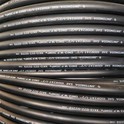
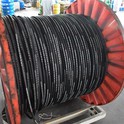
As a dedicated supplier of low pressure hoses, I've witnessed firsthand the importance of understanding the working pressure of these essential components. In this blog post, I'll delve into the concept of working pressure for low pressure hoses, exploring its significance, factors that influence it, and how it impacts various applications.
Understanding Working Pressure
The working pressure of a low pressure hose refers to the maximum pressure at which the hose can safely operate under normal conditions. It is a critical specification that determines the hose's suitability for a particular application. Exceeding the working pressure can lead to hose failure, which may result in leaks, bursts, or other hazardous situations.
For low pressure hoses, the working pressure typically ranges from a few pounds per square inch (psi) to around 300 psi. However, this can vary depending on the type of hose, its construction, and the materials used. It's important to note that the working pressure is different from the burst pressure, which is the pressure at which the hose will rupture. The burst pressure is usually significantly higher than the working pressure, providing a safety margin.
Factors Influencing Working Pressure
Several factors can influence the working pressure of a low pressure hose. These include:
- Hose Material: The type of material used to construct the hose plays a crucial role in determining its working pressure. Different materials have different strength and flexibility characteristics, which can affect their ability to withstand pressure. For example, rubber hoses are commonly used for low pressure applications due to their flexibility and resistance to abrasion. However, the specific type of rubber and its quality can also impact the working pressure.
- Hose Construction: The construction of the hose, including the number of layers and the reinforcement used, can also affect its working pressure. Hoses with multiple layers or reinforced with materials such as braided or spiral-wound fibers are generally stronger and can withstand higher pressures.
- Temperature: The temperature at which the hose operates can also influence its working pressure. High temperatures can cause the hose material to soften, reducing its strength and increasing the risk of failure. Conversely, low temperatures can make the hose more brittle, also increasing the risk of damage.
- Fluid Type: The type of fluid being conveyed through the hose can also affect its working pressure. Some fluids, such as chemicals or abrasive materials, can cause corrosion or wear on the hose material, reducing its strength and durability.
Applications of Low Pressure Hoses
Low pressure hoses are used in a wide range of applications across various industries. Some common applications include:
- Agriculture: Low pressure hoses are used in agricultural applications for tasks such as irrigation, spraying pesticides and fertilizers, and transferring water. These hoses need to be flexible and resistant to abrasion to withstand the rigors of outdoor use.
- Automotive: In the automotive industry, low pressure hoses are used for applications such as coolant transfer, fuel delivery, and air intake. These hoses need to be able to withstand the vibrations and temperature changes associated with vehicle operation.
- Food and Beverage: Low pressure hoses are used in the food and beverage industry for tasks such as transferring liquids, such as milk, juice, and beer. These hoses need to be made from food-grade materials that are safe for contact with consumable products.
- HVAC: In the heating, ventilation, and air conditioning (HVAC) industry, low pressure hoses are used for applications such as refrigerant transfer and air ducting. These hoses need to be able to withstand the pressure and temperature changes associated with HVAC systems.
Choosing the Right Low Pressure Hose
When choosing a low pressure hose for a specific application, it's important to consider the following factors:
- Working Pressure: As mentioned earlier, the working pressure is a critical specification that determines the hose's suitability for a particular application. Make sure to choose a hose with a working pressure that is appropriate for the pressure requirements of your application.
- Hose Material: The type of material used to construct the hose should be compatible with the fluid being conveyed and the operating conditions. Consider factors such as chemical resistance, temperature resistance, and abrasion resistance.
- Hose Size: The size of the hose, including the inner diameter and outer diameter, should be appropriate for the flow rate and pressure requirements of your application. A hose that is too small may restrict the flow of fluid, while a hose that is too large may be unnecessary and increase the cost.
- End Fittings: The end fittings of the hose should be compatible with the equipment or system to which the hose will be connected. Make sure to choose end fittings that are the correct size and type for your application.
Our Low Pressure Hose Products
As a leading supplier of low pressure hoses, we offer a wide range of high-quality products to meet the needs of various industries. Our product portfolio includes:
- Colored Rubber Hose: Our colored rubber hoses are available in a variety of colors and sizes, making them suitable for a wide range of applications. These hoses are made from high-quality rubber materials that are resistant to abrasion, chemicals, and weathering.
- Low Pressure Breathing Air Hose: Our low pressure breathing air hoses are designed for use in applications where clean, breathable air is required. These hoses are made from materials that are compliant with relevant safety standards and are suitable for use in industries such as mining, construction, and firefighting.
- 3/8 Low Pressure Propane Hose: Our 3/8 low pressure propane hoses are designed for use in applications where propane gas needs to be transferred at low pressures. These hoses are made from materials that are resistant to propane and are suitable for use in residential and commercial applications.
Conclusion
Understanding the working pressure of a low pressure hose is essential for ensuring its safe and effective operation. By considering the factors that influence working pressure and choosing the right hose for your application, you can minimize the risk of hose failure and ensure the reliability of your system. If you have any questions or need assistance in selecting the right low pressure hose for your needs, please don't hesitate to contact us. We're here to help you find the best solution for your application.


References
- "Hose Fitting Handbook" by Parker Hannifin Corporation
- "Fluid Power Handbook" by Eaton Corporation
- "Industrial Hose Association Standards" by the Industrial Hose Association