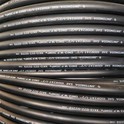
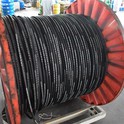
In the realm of industrial and commercial applications, low side hoses play a crucial role in the safe and efficient transfer of various fluids and gases. As a dedicated supplier of low side hoses, I've encountered numerous inquiries regarding the weight of these essential components. Understanding the weight of a low side hose is not only important for logistical purposes but also for ensuring proper installation and performance. In this blog post, I'll delve into the factors that influence the weight of a low side hose, its significance, and how it relates to different types of hoses we offer.
Factors Affecting the Weight of a Low Side Hose
The weight of a low side hose is determined by several key factors, each contributing to its overall mass. These factors include the hose's material composition, diameter, length, and any additional features or reinforcements.
Material Composition
The material used to manufacture the low side hose is a primary determinant of its weight. Different materials have varying densities, which directly impact the hose's mass. Common materials for low side hoses include rubber, PVC (polyvinyl chloride), and thermoplastics.
- Rubber Hoses: Rubber hoses are known for their flexibility, durability, and resistance to abrasion and chemicals. However, they tend to be heavier than hoses made from other materials due to the relatively high density of rubber. Natural rubber and synthetic rubber compounds, such as neoprene and nitrile, are commonly used in low side hoses. The specific type of rubber and its formulation can affect the hose's weight.
- PVC Hoses: PVC hoses are lightweight, cost - effective, and resistant to corrosion. They are often used in applications where weight is a concern, such as in portable equipment or where ease of handling is required. PVC hoses are generally lighter than rubber hoses, making them a popular choice for many low - pressure applications.
- Thermoplastic Hoses: Thermoplastic hoses offer a balance between flexibility and strength. They are typically lighter than rubber hoses and can be more resistant to kinking. Materials like polyurethane and polyethylene are commonly used in thermoplastic low side hoses. The weight of thermoplastic hoses can vary depending on the specific polymer used and its formulation.
Diameter and Length
The diameter and length of the low side hose also have a significant impact on its weight. As the diameter of the hose increases, the amount of material required to manufacture it also increases, resulting in a heavier hose. Similarly, longer hoses will weigh more than shorter ones due to the additional length of the material.
For example, a 3/8 Low Pressure Propane Hose with a smaller diameter will generally weigh less than a hose with a larger diameter. When selecting a low side hose, it's important to consider the required flow rate and pressure, as these factors will determine the appropriate diameter and length of the hose.
Reinforcements and Additional Features
Some low side hoses are reinforced with materials such as braided or spiral - wound fibers to increase their strength and pressure - handling capabilities. These reinforcements add to the weight of the hose. For instance, a hose with a double - braided reinforcement will be heavier than a non - reinforced hose of the same material, diameter, and length.
In addition, hoses may have additional features such as fittings, couplings, or protective covers, which can also contribute to their overall weight. These features are often necessary for proper installation and connection to other components in a system.


Significance of the Weight of a Low Side Hose
The weight of a low side hose has several implications in different aspects of its use, including installation, transportation, and performance.
Installation
During installation, the weight of the hose can affect the ease of handling and maneuverability. Heavier hoses may require more effort to position and connect, especially in tight spaces or when working at heights. This can increase the installation time and may require additional equipment or personnel to ensure proper installation.
On the other hand, lighter hoses are easier to handle and can be installed more quickly and efficiently. This can reduce labor costs and minimize the risk of injury during the installation process.
Transportation
The weight of the hose is also an important consideration for transportation. Heavier hoses require more fuel to transport, which can increase the overall cost of shipping. In addition, the weight of the hoses may be limited by the capacity of the transportation vehicle. Lighter hoses can be more cost - effective to transport, especially when shipping large quantities.
Performance
The weight of the hose can also impact its performance in certain applications. For example, in applications where the hose is subject to movement or vibration, a heavier hose may be more stable and less prone to displacement. However, in applications where flexibility and quick response are required, a lighter hose may be more suitable.
Different Types of Low Side Hoses and Their Weights
As a supplier of Low Side Hoses, we offer a wide range of products to meet the specific needs of our customers. Here are some examples of different types of low side hoses and their typical weights:
Miflex Low Pressure Hose
The Miflex Low Pressure Hose is a popular choice for many low - pressure applications. It is made from a thermoplastic material, which makes it lightweight and flexible. A standard 10 - foot length of Miflex low pressure hose with a 1/4 - inch diameter may weigh approximately 0.5 pounds. This lightweight design makes it easy to handle and install, making it ideal for use in portable equipment or applications where weight is a concern.
Rubber Low Side Hose
Rubber low side hoses are commonly used in applications where durability and resistance to chemicals are required. A 20 - foot length of a rubber low side hose with a 3/8 - inch diameter may weigh around 3 pounds. The weight of the rubber hose is due to the density of the rubber material and any reinforcements that may be present.
PVC Low Side Hose
PVC low side hoses are known for their lightweight and cost - effectiveness. A 15 - foot length of a PVC low side hose with a 1/2 - inch diameter may weigh approximately 1.5 pounds. The lightweight nature of PVC hoses makes them suitable for a variety of applications, including irrigation systems and pneumatic tools.
Contact for Procurement and Discussion
If you are in need of low side hoses for your industrial, commercial, or residential applications, we are here to assist you. Our team of experts can help you select the right hose based on your specific requirements, including the desired weight, diameter, length, and material. We offer high - quality low side hoses at competitive prices and can provide customized solutions to meet your unique needs.
Whether you are looking for a lightweight PVC hose for a portable application or a heavy - duty rubber hose for a high - pressure environment, we have the products and expertise to meet your needs. Contact us today to discuss your procurement requirements and to get a quote.
References
- Hose Manufacturers Institute (HMI). Hose Engineering Handbook.
- Industrial Rubber Products: Design, Manufacturing, and Applications. CRC Press.
- Thermoplastics: Properties and Applications. John Wiley & Sons.