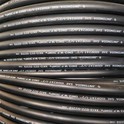
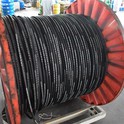
As a supplier of Rubber Hose EN853, I've been deeply involved in the industry, understanding the significance of various properties of these hoses, especially the flame retardant properties. In this blog, I'll delve into the flame retardant aspects of Rubber Hose EN853, shedding light on its importance, mechanisms, and related considerations.
The Importance of Flame Retardant Properties in Rubber Hose EN853
In many industrial applications where Rubber Hose EN853 is used, there are potential fire hazards. For example, in hydraulic systems in construction machinery, mining equipment, and some manufacturing plants, the presence of high - pressure fluids and electrical components can create an environment where a fire could break out. A hose with good flame retardant properties can significantly reduce the risk of a small fire turning into a large - scale conflagration.

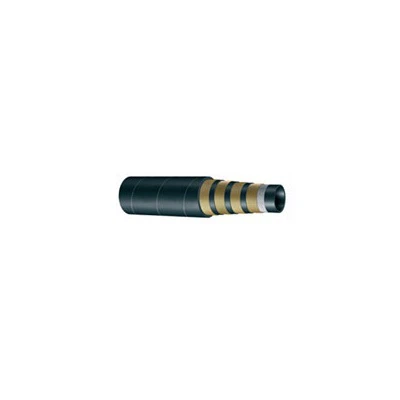
Flame retardant hoses can prevent the spread of fire along the hose itself. In case of a fire in the vicinity, non - flame retardant hoses may catch fire easily and act as a fuel source, accelerating the spread of the fire. On the other hand, flame retardant Rubber Hose EN853 can self - extinguish after the ignition source is removed, limiting the damage caused by the fire.
Mechanisms of Flame Retardancy in Rubber Hose EN853
The flame retardant properties of Rubber Hose EN853 are achieved through several mechanisms. One common approach is the use of flame retardant additives. These additives can be classified into different types, such as halogenated and non - halogenated additives.
Halogenated flame retardants, like brominated or chlorinated compounds, work by releasing halogen radicals when exposed to heat. These radicals react with the highly reactive radicals produced during the combustion process, such as hydrogen and hydroxyl radicals, and interrupt the chain reaction of combustion. This effectively slows down or stops the burning process.
Non - halogenated flame retardants, such as metal hydroxides (e.g., aluminum hydroxide and magnesium hydroxide), work in a different way. When heated, these metal hydroxides decompose endothermically, absorbing heat from the surrounding environment. This cools down the material and reduces the likelihood of ignition. Additionally, the decomposition products form a protective layer on the surface of the hose, which acts as a barrier against oxygen and heat transfer.
Testing Standards for Flame Retardant Rubber Hose EN853
To ensure the reliability of the flame retardant properties of Rubber Hose EN853, there are specific testing standards. These standards define the methods and criteria for evaluating the flame retardancy of the hoses.
One of the important parameters in these tests is the oxygen index. The oxygen index measures the minimum concentration of oxygen in a mixture of oxygen and nitrogen that is required to support the combustion of the material. A higher oxygen index indicates better flame retardant properties. For Rubber Hose EN853, a relatively high oxygen index is often required to meet the safety requirements in different applications.
Another test is the vertical burning test. In this test, a sample of the hose is held vertically and ignited at the bottom. The time it takes for the flame to spread, the length of the burned part, and whether the hose self - extinguishes are all evaluated. Hoses that meet the flame retardant requirements of EN853 should self - extinguish within a specified time and have a limited length of the burned area.
Comparison with Other Types of Rubber Hoses
When comparing the flame retardant properties of Rubber Hose EN853 with other types of rubber hoses, such as Rubber Hose EN856, Rubber Hose 2SC, and Rubber Hose 4SH, there can be some differences.
Each type of hose is designed for specific applications, and the flame retardant requirements may vary accordingly. Rubber Hose EN853 is often used in hydraulic systems where a certain level of flame retardancy is necessary due to the potential fire risks in these environments. In contrast, some other hoses may be more focused on other properties, such as high - pressure resistance or abrasion resistance, and their flame retardant properties may not be as emphasized.
However, it's important to note that regardless of the type of hose, in applications where fire safety is a concern, the flame retardant properties should not be overlooked.
Factors Affecting Flame Retardant Properties
Several factors can affect the flame retardant properties of Rubber Hose EN853. The quality and type of the rubber material used in the hose play a crucial role. Different rubber polymers have different inherent flammability characteristics, and the choice of polymer can impact the overall flame retardancy of the hose.
The amount and type of flame retardant additives also matter. If the additives are not properly selected or added in the right proportion, the desired flame retardant effect may not be achieved. Additionally, the manufacturing process can influence the distribution of the additives within the rubber matrix. A uniform distribution of additives is essential for consistent flame retardant properties throughout the hose.
Environmental factors can also have an impact. For example, exposure to high temperatures, humidity, and chemicals over time can degrade the flame retardant additives and reduce the flame retardant performance of the hose. Therefore, proper storage and maintenance of the hoses are important to ensure their long - term flame retardant properties.
Applications Where Flame Retardant Rubber Hose EN853 Shines
Flame retardant Rubber Hose EN853 finds wide applications in industries where fire safety is a top priority. In the mining industry, for instance, hydraulic systems are used extensively in underground mines. The presence of combustible gases and dust makes fire a significant risk. Flame retardant hoses can prevent the spread of fire in case of an ignition, protecting the equipment and the lives of the workers.
In the construction industry, construction machinery often operates in harsh environments where there may be welding operations or other potential sources of fire. Using flame retardant Rubber Hose EN853 in the hydraulic systems of these machines can enhance the overall safety of the construction site.
Ensuring the Quality of Flame Retardant Rubber Hose EN853
As a supplier, I take several measures to ensure the quality of the flame retardant Rubber Hose EN853. We source high - quality rubber materials from reliable suppliers and conduct strict quality control on the incoming materials. Our manufacturing process is carefully monitored to ensure that the flame retardant additives are evenly distributed in the rubber matrix.
We also perform in - house testing on the hoses to verify their flame retardant properties. This includes oxygen index tests, vertical burning tests, and other relevant tests. Only hoses that meet the strict quality standards are released to the market.
Conclusion and Call to Action
In conclusion, the flame retardant properties of Rubber Hose EN853 are of utmost importance in many industrial applications. These properties can significantly reduce the risk of fire and protect both the equipment and the personnel. As a supplier, I am committed to providing high - quality flame retardant Rubber Hose EN853 that meets the stringent safety requirements.
If you are in need of Rubber Hose EN853 with excellent flame retardant properties for your industrial applications, I encourage you to reach out for a procurement discussion. We can provide you with detailed product information, technical support, and competitive pricing. Let's work together to ensure the safety and efficiency of your operations.
References
- ASTM International. (Year). Standard test methods for oxygen index. ASTM D2863.
- European Committee for Standardization. (Year). EN853: Specification for rubber hoses and hose assemblies for hydraulic applications.