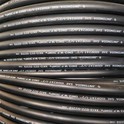
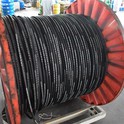
What is the flexibility of a rubber engine hose?
As a supplier of rubber engine hoses, I've witnessed firsthand the importance of understanding the flexibility of these crucial components. Flexibility in rubber engine hoses isn't just a nice - to - have feature; it's a fundamental characteristic that impacts performance, installation, and longevity.
Understanding Flexibility
Flexibility in a rubber engine hose refers to its ability to bend, twist, and conform to different shapes without cracking, kinking, or losing its structural integrity. This property is determined by several factors, including the type of rubber used, the manufacturing process, and the hose's reinforcement.
Rubber Compounds: Different rubber compounds offer varying degrees of flexibility. For example, natural rubber is known for its high elasticity and excellent flexibility at room temperature. It can easily adapt to different shapes during installation and can withstand a certain amount of movement without damage. Synthetic rubbers, such as neoprene and nitrile, also have their own unique flexibility characteristics. Neoprene is resistant to oil, ozone, and weathering, and it maintains good flexibility over a wide range of temperatures. Nitrile rubber, on the other hand, is highly resistant to fuel and oil, and it offers decent flexibility, especially when it comes to handling high - pressure applications.
Reinforcement: Many rubber engine hoses are reinforced with materials like braided or spiraled synthetic fibers, steel wire, or a combination of both. The reinforcement plays a vital role in enhancing the hose's strength while still allowing for flexibility. A well - designed reinforcement structure can prevent the hose from bursting under pressure while enabling it to bend and flex as needed. For instance, a hose with a braided synthetic fiber reinforcement may be more flexible compared to one with a heavy - duty steel wire spiral, but the latter will be better suited for high - pressure, high - temperature applications.
Importance of Flexibility in Installation
One of the primary advantages of a flexible rubber engine hose is its ease of installation. In an engine compartment, space is often limited, and components are tightly packed. A flexible hose can be easily routed around obstacles, such as engine blocks, radiators, and other mechanical parts. This reduces the need for complex and expensive custom - made hoses. For example, when replacing a coolant hose in a car engine, a flexible rubber hose can be bent and maneuvered into place without having to disassemble large parts of the engine. This not only saves time during installation but also reduces labor costs.
Moreover, flexibility allows for a more precise fit. Hoses can be adjusted to match the exact dimensions and angles required by the engine system. This ensures a proper seal and connection, which is essential for preventing leaks. A leaky hose can lead to a variety of problems, including loss of coolant, oil, or fuel, which can ultimately damage the engine.
Flexibility and Performance
Flexibility also has a significant impact on the performance of a rubber engine hose. In an engine, hoses are subject to constant movement and vibration. A flexible hose can absorb these vibrations and movements, reducing stress on the hose and its connections. This helps to prevent premature wear and tear, extending the lifespan of the hose.
For example, in a high - performance engine, the intake and exhaust hoses experience rapid changes in pressure and temperature. A flexible hose can expand and contract with these changes, maintaining its shape and functionality. This is particularly important in turbocharged engines, where the hoses need to withstand high - pressure airflows and extreme temperature fluctuations.
In addition, flexibility can improve the flow of fluids or gases through the hose. A hose that can bend and flex without kinking allows for a smoother and more efficient flow. This is crucial for applications such as fuel delivery, where a consistent flow rate is necessary for optimal engine performance.


Flexibility and Temperature Resistance
The flexibility of a rubber engine hose is closely related to its temperature resistance. Different rubber compounds have different temperature ranges within which they can maintain their flexibility. For example, silicone rubber hoses are known for their excellent flexibility at both high and low temperatures. They can remain flexible in extremely cold environments, such as in winter conditions, and can also withstand high - temperature applications, such as in exhaust systems.
On the other hand, some rubber compounds may lose their flexibility at very low temperatures, becoming brittle and prone to cracking. This is a critical consideration when choosing a rubber engine hose for applications in cold climates. In such cases, it's important to select a hose with a rubber compound that can maintain its flexibility over the expected temperature range.
Comparing with Other Types of Hoses
When compared to other types of hoses, such as metal or plastic hoses, rubber engine hoses offer unique advantages in terms of flexibility. Metal hoses, while strong and durable, are generally less flexible. They are often used in applications where high - pressure and high - temperature resistance are the primary concerns, but their lack of flexibility can make installation difficult and limit their use in some engine systems.
Plastic hoses, on the other hand, can be flexible, but they may not have the same level of durability and temperature resistance as rubber hoses. Plastic hoses can become brittle over time, especially when exposed to heat, chemicals, or UV radiation. Rubber engine hoses strike a balance between flexibility, durability, and temperature resistance, making them a popular choice for a wide range of engine applications.
Applications of Flexible Rubber Engine Hoses
Flexible rubber engine hoses are used in a variety of engine applications. In automotive engines, they are used for coolant circulation, fuel delivery, intake and exhaust systems, and power steering. In industrial engines, such as those used in generators, construction equipment, and marine vessels, rubber engine hoses are also essential for fluid and gas transfer.
For example, in a marine engine, rubber hoses are used to carry seawater for cooling, fuel from the tank to the engine, and exhaust gases out of the engine. The flexibility of these hoses allows them to adapt to the unique layout and movement of a marine vessel, ensuring reliable operation even in rough sea conditions.
Conclusion
The flexibility of a rubber engine hose is a multifaceted characteristic that has a profound impact on its installation, performance, and durability. As a supplier, we understand the importance of providing high - quality hoses with the right balance of flexibility, strength, and temperature resistance. Whether you're in the automotive, industrial, or marine industry, choosing the right rubber engine hose with the appropriate flexibility can make a significant difference in the efficiency and reliability of your engine system.
If you're interested in learning more about our rubber engine hoses, or if you have specific requirements for your application, please feel free to contact us for procurement and further discussions. We're here to help you find the perfect solution for your engine hose needs.
References
- "Handbook of Rubber Technology" by Maurice Morton
- "Automotive Engine Design" by David Crolla
- Various industry standards and technical documents related to rubber hoses
You can also explore related products on our website: