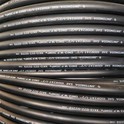
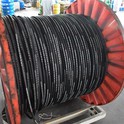
Hey there! As a supplier of Rubber Hose 2SC, I often get asked about how this product performs in cold weather. Well, let's dive right into it and explore all the nitty - gritty details.

Understanding Rubber Hose 2SC Basics
Before we talk about cold - weather performance, let's quickly go over what Rubber Hose 2SC is. It's a type of hydraulic rubber hose designed to handle a variety of hydraulic applications. You can check out similar products like [Rubber Hose EN853](/hydraulic - rubber - hose - din/rubber - hose - en853.html), [Rubber Hose 4SP](/hydraulic - rubber - hose - din/rubber - hose - 4sp.html), and [Rubber Hose 1SC](/hydraulic - rubber - hose - din/rubber - hose - 1sc.html) to get a better understanding of the hydraulic hose range.
The 2SC hose is constructed with a synthetic rubber tube that's resistant to hydraulic fluids, an outer cover made of oil - and weather - resistant rubber, and two layers of high - tensile steel wire braid reinforcement. This construction gives it the strength and flexibility needed for many hydraulic systems.
Cold Weather and Its Effects on Rubber
Cold weather can have a significant impact on rubber materials. When the temperature drops, rubber tends to lose its flexibility. This is because the molecules in the rubber slow down and become more rigid. In simple terms, the rubber gets stiffer, kind of like how your joints feel on a really cold morning.

For Rubber Hose 2SC, this loss of flexibility can lead to a few issues. First off, it becomes harder to bend the hose. If you're trying to install it in a tight space or route it around obstacles, you'll notice that it doesn't want to curve as easily as it does in warmer temperatures.
Secondly, the stiffening of the rubber can increase the risk of cracking. When you try to bend a cold and stiff Rubber Hose 2SC, the stress on the material can cause small cracks to form. These cracks might start off tiny, but over time and with repeated use, they can grow and lead to leaks in the hydraulic system.
How Rubber Hose 2SC Handles Cold Weather
Now, let's talk about how Rubber Hose 2SC actually performs in cold weather. The good news is that it's designed to handle low - temperature conditions better than some other hoses. The synthetic rubber used in its construction has been formulated to have a lower glass transition temperature.
The glass transition temperature is the point at which the rubber changes from a flexible, rubbery state to a hard, glassy state. For Rubber Hose 2SC, this temperature is relatively low, which means it can stay flexible at colder temperatures compared to hoses made with less - advanced rubber compounds.
However, that doesn't mean it's completely immune to the effects of cold weather. At extremely low temperatures, say below - 40°F (- 40°C), even Rubber Hose 2SC will start to show signs of reduced flexibility. You might notice that it becomes more difficult to connect the hose to fittings, and there's an increased risk of the outer cover cracking if it's bent too sharply.
Testing and Certification
To ensure that Rubber Hose 2SC can perform in cold weather, it goes through a series of tests. These tests simulate real - world cold - weather conditions to see how the hose holds up. Manufacturers test for things like flexibility at low temperatures, the ability to withstand pressure without leaking, and resistance to cracking.
Many Rubber Hose 2SC products on the market are certified to meet certain industry standards for cold - weather performance. For example, they might be rated for use in temperatures as low as - 20°F (- 29°C) or even lower. When you're looking to buy a Rubber Hose 2SC, it's important to check these certifications to make sure it will work in the cold - weather conditions you need.
Tips for Using Rubber Hose 2SC in Cold Weather
If you're planning to use Rubber Hose 2SC in cold weather, here are some tips to help you get the best performance:
- Pre - warm the hose: If possible, bring the hose into a warmer area for a short period before installation. This will help it regain some of its flexibility and make it easier to work with.
- Avoid sharp bends: As mentioned earlier, cold rubber is more prone to cracking. When installing the hose, try to make gentle curves instead of sharp bends.
- Insulate the hose: If the system allows, you can insulate the Rubber Hose 2SC to help keep it warmer. This can reduce the impact of cold temperatures and extend the life of the hose.
Comparing with Other Hoses in Cold Weather
Let's compare Rubber Hose 2SC with some of its counterparts like Rubber Hose 1SC. Rubber Hose 1SC generally has a single layer of steel wire braid reinforcement, which makes it less robust than the 2SC. In cold weather, the 1SC might be more likely to crack or fail under pressure because it has less reinforcement to handle the stress caused by the stiffening of the rubber.
On the other hand, Rubber Hose 4SP is designed for high - pressure applications and has multiple layers of spiral - wound steel wire. It's more resistant to pressure changes but might be a bit stiffer in cold weather compared to the 2SC due to its construction.

Real - World Applications in Cold Weather
There are many real - world applications where Rubber Hose 2SC is used in cold weather. For example, in the construction industry, hydraulic equipment like excavators and loaders often operate in cold climates. The Rubber Hose 2SC is used to transfer hydraulic fluid to power the various functions of these machines.
In the agricultural sector, tractors and other farm equipment also use hydraulic hoses. During the winter months, when temperatures can drop significantly, the performance of the Rubber Hose 2SC becomes crucial to ensure the proper operation of the equipment.
Conclusion
In conclusion, Rubber Hose 2SC is a solid choice for cold - weather applications. While it's not completely unaffected by low temperatures, its design and construction allow it to perform better than many other hoses in cold conditions. By following the tips I've mentioned and choosing a hose with the right cold - weather certifications, you can ensure that your hydraulic system will work smoothly even in cold weather.
If you're in the market for Rubber Hose 2SC or have any questions about its performance in cold weather, feel free to reach out. We're here to help you find the right hose for your needs and answer any of your queries. Let's start a conversation and see how we can work together to get you the best hydraulic hose solution.
References
- "Handbook of Rubber Technology", Edited by A. K. Bhowmick and H. L. Stephens
- Industry standards related to hydraulic rubber hoses and cold - weather performance.