As a supplier of Rubber Hose 4SP, I understand the importance of maintaining the quality and longevity of our products. Rubber Hose 4SP is widely used in various industrial applications due to its high-pressure resistance and flexibility. However, like all rubber products, it is susceptible to aging, which can significantly reduce its performance and lifespan. In this blog, I will share some effective strategies on how to prevent the aging of Rubber Hose 4SP.

Understanding the Aging Mechanisms of Rubber Hose 4SP
Before delving into prevention methods, it's crucial to understand what causes the aging of Rubber Hose 4SP. Aging in rubber hoses is primarily due to several factors:

Oxidation
Oxygen in the air reacts with the rubber material, breaking down its molecular structure. This reaction is accelerated by heat, light, and the presence of certain chemicals. Oxidation can lead to hardening, cracking, and loss of elasticity in the hose.
Heat
High temperatures can speed up the chemical reactions within the rubber, causing it to degrade more rapidly. Prolonged exposure to heat can lead to softening, melting, or charring of the hose, depending on the temperature and duration.
Ozone
Ozone, a highly reactive form of oxygen, can cause severe damage to rubber hoses. It attacks the double bonds in the rubber molecules, leading to the formation of cracks on the surface of the hose, especially under stress.
Chemical Exposure
Exposure to chemicals such as oils, solvents, acids, and alkalis can also cause rubber to age. These chemicals can dissolve or swell the rubber, altering its physical and mechanical properties.
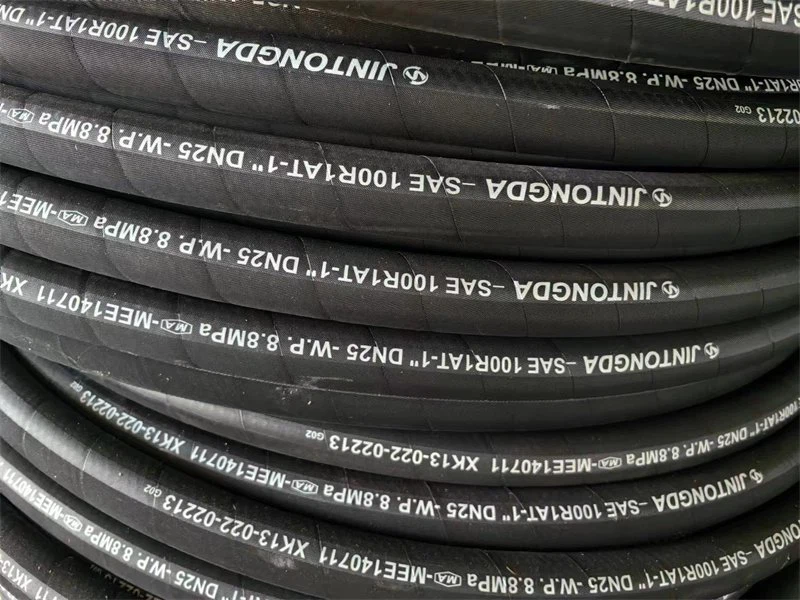
Preventive Measures
Storage Conditions
- Temperature and Humidity Control: Store Rubber Hose 4SP in a cool, dry place. The ideal storage temperature is between 10°C and 30°C, and the relative humidity should be kept below 70%. Avoid storing the hoses near heat sources such as radiators, furnaces, or direct sunlight, as high temperatures can accelerate the aging process.
- Protection from Light: Ultraviolet (UV) light can cause rubber to deteriorate. Store the hoses in opaque containers or cover them with light-blocking materials to prevent UV exposure.
- Avoid Contact with Ozone: Ozone is often present in areas with electrical equipment or near high-voltage lines. Keep the hoses away from these areas to prevent ozone damage.
Handling and Installation
- Proper Handling: When handling Rubber Hose 4SP, avoid sharp bends, kinks, or excessive stretching. These can cause internal damage to the hose and make it more susceptible to aging. Use appropriate tools for cutting and fitting the hoses to ensure a clean and proper installation.
- Correct Installation: Follow the manufacturer's installation instructions carefully. Ensure that the hoses are installed in a way that minimizes stress and vibration. Use proper clamps and fittings to secure the hoses in place and prevent leakage.
Maintenance and Inspection
- Regular Inspection: Conduct regular visual inspections of the Rubber Hose 4SP to check for signs of aging, such as cracks, blisters, or changes in color or texture. Look for any signs of leakage or damage to the fittings. Early detection of problems can allow for timely replacement or repair, preventing further damage.
- Cleaning: Keep the hoses clean by removing any dirt, debris, or chemical residues. Use a mild detergent and water to clean the hoses, and avoid using harsh chemicals that can damage the rubber. After cleaning, dry the hoses thoroughly before storing or reinstalling them.
Use of Additives and Protective Coatings
- Antioxidants and Antiozonants: Adding antioxidants and antiozonants to the rubber formulation can help prevent oxidation and ozone damage. These additives work by scavenging free radicals and protecting the rubber molecules from chemical attack.
- Protective Coatings: Applying a protective coating to the surface of the hose can provide an additional layer of protection against environmental factors. Coatings can be used to resist UV light, chemicals, and abrasion.
Comparison with Other Rubber Hoses
While Rubber Hose 4SP has its unique characteristics, it's interesting to compare it with other types of rubber hoses such as Rubber Hose 1SC and Rubber Industry Hose.
Rubber Hose 1SC is typically used for low-pressure applications and has a different construction and performance compared to Rubber Hose 4SP. It may have a different aging mechanism and require different preventive measures. For example, due to its lower pressure rating, it may be less susceptible to internal stress-related aging but more prone to external damage.
Rubber Industry Hose, on the other hand, is designed for a wide range of industrial applications and may have different chemical resistance requirements. Depending on the specific application, it may be exposed to different chemicals and environmental conditions, which can affect its aging process.
Conclusion
Preventing the aging of Rubber Hose 4SP is essential for ensuring its long-term performance and reliability. By understanding the aging mechanisms and implementing the preventive measures discussed above, you can significantly extend the lifespan of the hoses and reduce the risk of failures.
If you are in need of high-quality Rubber Hose 4SP or have any questions about its maintenance and aging prevention, please feel free to contact us for more information. Our team of experts is always ready to assist you with your rubber hose needs.
References
- "Handbook of Rubber Technology" by A. Y. Coran
- "Rubber Materials and Their Compounding: Principles, Materials, Recipes, and Testing" by K. L. Mittal