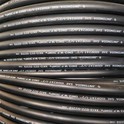
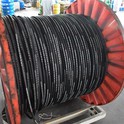
Transporting low side hoses safely is a crucial aspect of our operations as a low side hose supplier. In this blog, I'll share some insights into the best practices for ensuring the safe transportation of these hoses, which are vital components in various industries such as automotive, manufacturing, and fluid transfer systems.
Understanding the Characteristics of Low Side Hoses
Before delving into transportation methods, it's essential to understand the unique features of low side hoses. Low side hoses, as their name suggests, are designed to handle relatively low - pressure applications. They are often made of materials like rubber or thermoplastics, which can be flexible but also prone to damage if not handled properly. These hoses are used to transfer fluids such as refrigerants, lubricants, and hydraulic fluids.
The Low Side Hose we supply is manufactured to meet high - quality standards. However, during transportation, they can be at risk of physical damage, such as cuts, abrasions, and kinks. Chemical exposure and extreme temperatures can also affect their integrity. Therefore, we need to take appropriate measures to safeguard them during transit.
Packaging for Protection
Proper packaging is the first line of defense in ensuring the safe transportation of low side hoses. We use high - quality packaging materials that can withstand the rigors of transit. For individual hoses, we often wrap them in a soft, protective material like foam or bubble wrap. This helps to prevent scratches and minor impacts that could compromise the hose's structure.
When packaging multiple hoses, we group them together in a way that minimizes contact between them. This reduces the risk of hoses rubbing against each other and causing abrasions. We then place the grouped hoses in sturdy cardboard boxes or plastic crates. These containers are designed to provide additional protection against external forces and can be stacked safely during transportation.
Securing the Load
Once the hoses are packaged, it's crucial to secure them properly in the transportation vehicle. Whether it's a truck, a van, or a shipping container, the hoses should be arranged in a way that they won't shift during transit. Shifting can cause the hoses to become damaged, especially if they are subjected to sudden stops, starts, or turns.
We use straps and restraints to keep the packaged hoses in place. For larger shipments, we may use pallets to organize the hoses. The pallets are then secured to the floor of the vehicle using heavy - duty straps. This ensures that the hoses remain stable throughout the journey, reducing the risk of damage.
Temperature and Environmental Control
Low side hoses can be sensitive to extreme temperatures and environmental conditions. High temperatures can cause the hose materials to become soft and more prone to damage, while low temperatures can make them brittle. Therefore, it's important to control the temperature and environmental conditions during transportation.
For long - distance shipments, we may use climate - controlled vehicles. These vehicles are equipped with systems that can maintain a stable temperature and humidity level inside the cargo area. This helps to preserve the integrity of the hoses and ensures that they arrive at their destination in optimal condition.


Handling During Loading and Unloading
The process of loading and unloading low side hoses also requires careful attention. During loading, the hoses should be lifted and placed gently into the transportation vehicle. We use appropriate lifting equipment, such as forklifts or hoists, to ensure that the hoses are handled safely.
When unloading, the same level of care should be taken. The hoses should be removed from the vehicle one by one, and any packaging materials should be removed carefully to avoid damaging the hoses. Workers should be trained in proper handling techniques to minimize the risk of accidents and damage.
Choosing the Right Transportation Partner
Selecting a reliable transportation partner is essential for the safe delivery of low side hoses. We look for transportation companies that have a good track record in handling sensitive and fragile goods. These companies should have experience in transporting hoses and other similar products.
We also consider factors such as the company's fleet of vehicles, their safety measures, and their ability to provide real - time tracking of shipments. A good transportation partner will work closely with us to ensure that the hoses are transported safely and arrive at their destination on time.
Equipment for Hose Preparation
In addition to safe transportation, it's important to mention the equipment used in the preparation of low side hoses. The Hand Operated Low Pressure Hose Crimping Machine is a valuable tool for attaching fittings to the hoses. This machine allows for precise and secure crimping, ensuring that the hoses are ready for use in various applications.
The Low Pressure Hose Crimping Machine is another essential piece of equipment. It can handle larger volumes of hose crimping and is suitable for industrial - scale production. These machines play a crucial role in ensuring the quality of the hoses before they are shipped.
Conclusion
Transporting low side hoses safely is a multi - faceted process that requires attention to detail at every stage. From proper packaging and securing the load to controlling the environment and choosing the right transportation partner, each step is crucial in ensuring that the hoses arrive at their destination in perfect condition.
As a low side hose supplier, we are committed to providing our customers with high - quality products that are delivered safely and on time. If you are in need of low side hoses or have any questions about our products and transportation services, we encourage you to contact us for a purchase negotiation. We look forward to working with you to meet your hose requirements.
References
- Industry standards for hose manufacturing and transportation.
- Best practices in logistics and transportation of fragile goods.