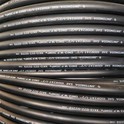
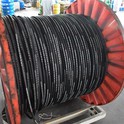
Hey there! As a supplier of rubber hoses, I often get asked, "Is rubber hose flexible?" Well, let's dive right into this topic and find out.
First off, what makes a rubber hose flexible? Rubber, by its very nature, is an elastic material. It's got this amazing ability to stretch and bend without breaking. This elasticity comes from its molecular structure. Rubber is made up of long chains of polymers that can slide past each other when a force is applied. When you stop applying that force, these chains snap back into place, which is why rubber can return to its original shape.
Now, let's talk about the different types of rubber hoses we offer. We've got Rubber Water Hose. These are designed to carry water from one place to another, whether it's for gardening, industrial use, or even in your home. The flexibility of these hoses is crucial. Imagine trying to water your garden with a stiff, inflexible hose. It would be a real pain, right? You need to be able to move the hose around easily, reach those hard - to - get spots, and coil it up neatly when you're done. Our rubber water hoses are made from high - quality rubber compounds that give them excellent flexibility. They can bend around corners, over obstacles, and still maintain their shape and integrity.
Another type is the Rubber Engine Hose. In an engine, space is limited, and there are all sorts of components that the hoses need to navigate around. These hoses carry coolant, fuel, and other fluids, and they need to be flexible enough to fit into the tight spaces within the engine compartment. If they weren't flexible, they'd be difficult to install, and there's a high risk of them getting damaged due to vibrations or movement in the engine. Our rubber engine hoses are engineered to be both flexible and durable. They can withstand the high temperatures and pressures that are common in an engine environment while still being able to bend and flex as needed.
Then we have the Rubber Pipe For Water. Similar to the rubber water hoses, but sometimes they are used in more permanent installations, like in plumbing systems. Even though they're part of a fixed setup, flexibility is still important. During installation, it can be easier to connect the pipes if they can be bent slightly to align properly. Also, in case of any minor shifts in the building structure or ground movement, a flexible rubber pipe can absorb the stress and prevent leaks.
But it's not just about the type of hose; the manufacturing process also plays a big role in determining flexibility. We use advanced manufacturing techniques to ensure that our rubber hoses have the right balance of flexibility and strength. For example, we might add certain additives to the rubber compound. These additives can improve the elasticity of the rubber, making the hose more flexible. We also pay close attention to the thickness of the hose walls. A thinner wall generally means more flexibility, but we have to be careful not to make it too thin, or the hose might not be strong enough to handle the pressure of the fluid it's carrying.
Let's talk about some real - world scenarios where the flexibility of our rubber hoses comes in handy. Suppose you're a farmer using a rubber water hose to irrigate your fields. You need to move the hose from one area to another, around different crops, and over uneven ground. A flexible hose makes this task so much easier. You can quickly reposition the hose without having to struggle with a rigid one.
Or if you're a mechanic working on a car engine. When you're replacing a rubber engine hose, a flexible hose can be easily maneuvered into place, saving you time and effort. You don't have to worry about forcing the hose into a tight spot and potentially damaging it in the process.
Now, you might be wondering about the limitations of rubber hose flexibility. While rubber hoses are generally very flexible, there are some factors that can affect it. Extreme temperatures can have an impact. In very cold temperatures, rubber can become stiff and less flexible. That's why we offer special cold - resistant rubber hoses for applications in cold environments. On the other hand, in extremely hot temperatures, the rubber can start to break down, which can also reduce flexibility. But our high - quality rubber hoses are designed to perform well within a wide range of temperatures.
Another factor is the amount of pressure the hose is under. If a hose is carrying a very high - pressure fluid, it might not be able to bend as easily. However, we design our hoses to handle different pressure levels. We have hoses that are specifically made for high - pressure applications, and they still maintain a good level of flexibility.
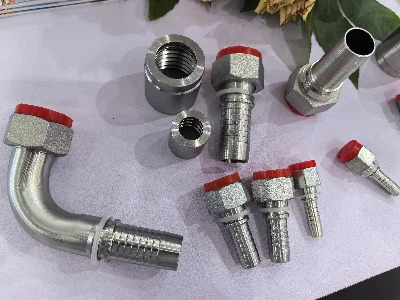

So, to answer the question, "Is rubber hose flexible?" The answer is a resounding yes! Our rubber hoses, whether they're Rubber Water Hose, Rubber Engine Hose, or Rubber Pipe For Water, are engineered to be highly flexible. They offer the perfect combination of flexibility, durability, and performance.
If you're in the market for high - quality, flexible rubber hoses, we'd love to hear from you. Whether you need hoses for your home, your business, or an industrial application, we've got the right solution for you. Contact us to start a conversation about your specific requirements, and let's work together to find the best rubber hoses for your needs.
References:
- General knowledge of rubber materials and hose manufacturing processes.
- Industry standards and best practices for rubber hose production.