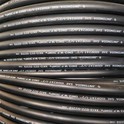
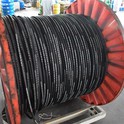
As a supplier of RUBBER Hose SAE R9, I've witnessed firsthand the importance of understanding the compatibility issues of these hoses with different fluids. In this blog, I'll delve into the various factors that affect the compatibility of RUBBER Hose SAE R9 and explore how it interacts with different types of fluids.
Understanding RUBBER Hose SAE R9
Before we discuss compatibility, let's briefly understand what RUBBER Hose SAE R9 is. SAE R9 hoses are designed for high - pressure hydraulic applications. They are constructed with multiple layers, including an inner tube, reinforcement layers, and an outer cover. The inner tube is crucial as it comes into direct contact with the fluid being transported, and its material determines the hose's compatibility with different fluids. You can learn more about our RUBBER Hose SAE R9 on our website.
Compatibility Factors
Chemical Composition of the Fluid
The chemical nature of the fluid is a primary factor in determining compatibility. Fluids can be classified into several categories, such as oil - based, water - based, synthetic, and corrosive fluids.
- Oil - Based Fluids: Most RUBBER Hose SAE R9 hoses are well - suited for oil - based hydraulic fluids. These hoses are typically made with an inner tube material that can withstand the chemical properties of oils. The oils provide lubrication and are relatively stable chemically. However, different types of oils, such as mineral oils, synthetic oils, and bio - based oils, may have slightly different effects on the hose. Mineral oils are commonly used in hydraulic systems, and R9 hoses are generally highly compatible with them. Synthetic oils, on the other hand, may have different molecular structures and additives, which could potentially affect the long - term performance of the hose. Bio - based oils, being environmentally friendly, are becoming more popular. But they may contain natural substances that could cause swelling or degradation of the hose material over time if not properly formulated.
- Water - Based Fluids: Water - based hydraulic fluids, such as water - glycol mixtures, pose different challenges. The presence of water can increase the risk of corrosion, especially if the hose's inner tube material is not resistant to water. Some R9 hoses are designed with special inner tube materials that can prevent water from permeating and causing internal corrosion. However, continuous exposure to water - based fluids may still lead to a reduction in the hose's mechanical properties over time.
- Synthetic Fluids: Synthetic fluids, like phosphate esters and silicone oils, have unique chemical properties. Phosphate esters are often used in high - fire - resistance applications. They are highly polar and can react with certain rubber materials, causing swelling or hardening. Silicone oils, known for their high - temperature stability, may also have different compatibility requirements. R9 hoses need to be carefully selected based on the specific synthetic fluid used in the system.
- Corrosive Fluids: Corrosive fluids, such as acids and alkalis, are extremely challenging for any hose. RUBBER Hose SAE R9 is generally not recommended for direct use with highly corrosive fluids. However, in some cases, with proper lining or special material selection, it may be possible to use the hose in less - corrosive environments. But this requires a detailed understanding of the chemical composition of the fluid and the hose material.
Temperature
Temperature plays a significant role in the compatibility of RUBBER Hose SAE R9 with fluids. High temperatures can accelerate chemical reactions between the fluid and the hose material. For example, at elevated temperatures, the solubility of some additives in the fluid may change, leading to the precipitation of solids that can damage the hose. Also, high temperatures can cause the rubber material to become more pliable, which may increase the risk of leakage. Conversely, low temperatures can make the rubber brittle, reducing its flexibility and potentially leading to cracking.
Pressure
The pressure within the hydraulic system can also affect compatibility. High - pressure applications can cause the fluid to penetrate the hose material more easily. If the fluid is not compatible with the hose, this penetration can lead to swelling, delamination of the hose layers, or even rupture. RUBBER Hose SAE R9 is designed for high - pressure applications, but the compatibility with the fluid under high - pressure conditions needs to be carefully considered.
Compatibility with Specific Fluids
Hydraulic Fluids
As mentioned earlier, RUBBER Hose SAE R9 is commonly used with hydraulic fluids. For standard ISO 32, 46, and 68 mineral - based hydraulic oils, the compatibility is usually excellent. These fluids have been used in hydraulic systems for a long time, and the hose materials have been developed to work well with them. However, when using high - viscosity hydraulic oils or oils with special additives, it's important to consult the hose manufacturer to ensure compatibility.
Brake Fluids
Brake fluids are typically glycol - based or silicone - based. Glycol - based brake fluids are hygroscopic, meaning they absorb water from the atmosphere. This can cause corrosion and degradation of the hose material if the hose is not designed to resist water. Silicone - based brake fluids, on the other hand, have different chemical properties and may require a different type of hose material for optimal compatibility. In general, R9 hoses may not be the first choice for brake fluid applications, but in some cases, with proper modification, they can be used.


Coolants
Coolants, such as ethylene glycol - based coolants used in automotive and industrial cooling systems, can be a challenge for RUBBER Hose SAE R9. The ethylene glycol can cause swelling and degradation of the hose material if the inner tube is not resistant. Specialized hoses with a compatible inner tube material are usually required for coolant applications.
Comparing with Other Hose Types
It's also useful to compare RUBBER Hose SAE R9 with other hose types, such as RUBBER Hose SAE R15 and RUBBER Hose SAE R12.
- RUBBER Hose SAE R15: R15 hoses are designed for very high - pressure applications. They often have a different reinforcement structure and inner tube material compared to R9 hoses. In terms of fluid compatibility, R15 hoses may be more suitable for some aggressive fluids due to their more robust construction. However, this also makes them more expensive.
- RUBBER Hose SAE R12: R12 hoses are similar to R9 hoses in many ways but may have different performance characteristics. They are also used for high - pressure hydraulic applications. The choice between R9 and R12 hoses often depends on the specific fluid and operating conditions. For example, if the fluid has a high level of abrasives, R12 hoses with a more wear - resistant outer cover may be a better choice.
Importance of Compatibility
Ensuring the compatibility of RUBBER Hose SAE R9 with the fluid is crucial for several reasons.
- Safety: Incompatible hoses can lead to leakage, which can be a safety hazard, especially in high - pressure hydraulic systems. Leaking fluids can cause slips and falls, and in some cases, they can also be flammable or toxic.
- Performance: A compatible hose will maintain its mechanical properties over time, ensuring consistent performance of the hydraulic system. Incompatible hoses may experience swelling, hardening, or degradation, which can lead to reduced flow rates, increased pressure drops, and ultimately, system failure.
- Cost - Effectiveness: Using a compatible hose reduces the need for frequent replacements, saving both time and money. Incompatible hoses may require more frequent maintenance and replacement, increasing the overall cost of the system.
Conclusion
In conclusion, understanding the compatibility issues of RUBBER Hose SAE R9 with different fluids is essential for the proper functioning of hydraulic systems. The chemical composition of the fluid, temperature, and pressure are the key factors that affect compatibility. Different types of fluids, such as oil - based, water - based, synthetic, and corrosive fluids, have different effects on the hose. Comparing R9 hoses with other hose types like R15 and R12 can help in making the right choice for a specific application.
If you are in the market for RUBBER Hose SAE R9 or have questions about fluid compatibility, we encourage you to reach out to us for a detailed discussion. Our team of experts can help you select the most suitable hose for your specific needs and ensure its compatibility with the fluid in your system.
References
- "Hydraulic Hose Handbook" by Hydraulic Institute
- "Fluid Compatibility in Rubber Products" by Rubber Manufacturers Association
- Technical data sheets of RUBBER Hose SAE R9, R15, and R12 from industry manufacturers