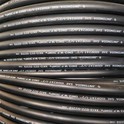
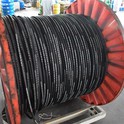
As a supplier of rubber hoses, I've been deeply involved in the industry for years, witnessing firsthand the widespread use and numerous advantages of rubber hoses in various applications. However, it's essential to provide a balanced view. In this blog, I'll delve into the disadvantages of rubber hoses to help you make more informed decisions when considering their use.
1. Limited Temperature Resistance
One of the primary drawbacks of rubber hoses is their limited temperature resistance. Different types of rubber have different temperature tolerance ranges. For instance, natural rubber hoses typically have a relatively narrow temperature range, usually from -20°C to 80°C. Beyond this range, the physical properties of the rubber can change significantly.
At high temperatures, rubber hoses may experience softening, which can lead to a loss of structural integrity. This softening can cause the hose to expand, increasing the risk of leaks. If the hose is used in a high - pressure system, the softened rubber may not be able to withstand the pressure, potentially resulting in a catastrophic failure. On the other hand, at low temperatures, rubber can become brittle. Brittle rubber is more prone to cracking, especially when subjected to bending or vibration. This can compromise the hose's ability to carry fluids or gases effectively.
For applications that require handling extremely hot or cold substances, such as in industrial furnaces or cryogenic systems, rubber hoses may not be the best choice. In these cases, alternative materials like metal or PTFE hoses may be more suitable. You can explore some of our rubber hoses designed for specific temperature applications, such as Rubber Hose Pipe for Hot Water, but it's important to note their limitations.
2. Chemical Compatibility Issues
Rubber hoses can be sensitive to a wide range of chemicals. Different rubber compounds have different levels of resistance to various chemicals. For example, natural rubber is not resistant to oils, fuels, and many solvents. When exposed to these substances, the rubber can swell, dissolve, or degrade over time.
Swelling of the rubber can cause the inner diameter of the hose to change, affecting the flow rate of the fluid or gas passing through it. Dissolution or degradation of the rubber can release particles into the fluid, which may contaminate the system or cause damage to downstream equipment. In addition, chemical attacks can weaken the structure of the hose, increasing the risk of leaks or bursts.
In chemical processing plants, laboratories, or automotive applications where contact with various chemicals is common, careful consideration must be given to the chemical compatibility of the rubber hose. You need to ensure that the rubber compound used in the hose is resistant to the specific chemicals it will encounter. We offer a variety of rubber hoses, and you can refer to our Rubber Pipe For Water to understand the basic chemical resistance of our products, but always consult with us for more complex chemical applications.
3. Aging and Degradation
Rubber hoses are subject to aging and degradation over time. Exposure to environmental factors such as sunlight, oxygen, ozone, and moisture can accelerate the aging process. Sunlight, especially ultraviolet (UV) radiation, can break down the chemical bonds in the rubber, causing it to harden, crack, and lose its elasticity.
Oxygen and ozone can react with the rubber, leading to oxidation and ozonation, respectively. Oxidation can cause the rubber to become brittle and discolored, while ozonation can create small cracks on the surface of the hose, which can grow and eventually lead to failure. Moisture can also have a negative impact on rubber hoses, especially if the rubber is not properly formulated to resist water. It can cause the rubber to swell, rot, or promote the growth of mold and bacteria.
To extend the lifespan of rubber hoses, proper storage and maintenance are crucial. Hoses should be stored in a cool, dry, and dark place, away from direct sunlight and sources of ozone. Regular inspections should be carried out to detect signs of aging and degradation early. Our Rubber Hose - SAE 100R1AT is designed with certain anti - aging properties, but it still requires proper care.
4. Pressure Limitations
Although rubber hoses can be designed to withstand a certain level of pressure, they generally have lower pressure ratings compared to metal hoses. The pressure - bearing capacity of a rubber hose depends on several factors, including the type of rubber, the thickness of the hose wall, and the reinforcement layer.
In high - pressure applications, such as hydraulic systems or high - pressure water jetting, rubber hoses may not be able to handle the extreme pressures. Exceeding the pressure rating of a rubber hose can cause the hose to bulge, burst, or develop leaks. This can pose a significant safety hazard, especially in industrial settings where high - pressure fluids or gases are involved.


When selecting a rubber hose for a high - pressure application, it's important to carefully consider the pressure requirements and choose a hose with an appropriate pressure rating. We can provide detailed information about the pressure ratings of our rubber hoses to help you make the right choice.
5. Higher Cost in Some Cases
Compared to some other types of hoses, such as PVC hoses, rubber hoses can be more expensive. The cost of rubber hoses is influenced by several factors, including the type of rubber used, the manufacturing process, and the quality of the reinforcement layer.
High - performance rubber compounds, such as those used in hoses for specialized applications, can be costly. In addition, the manufacturing process of rubber hoses may involve multiple steps, such as extrusion, vulcanization, and the application of reinforcement layers, which can increase the production cost.
However, it's important to note that the higher cost of rubber hoses may be justified in applications where their unique properties, such as flexibility, abrasion resistance, and chemical resistance, are required. When evaluating the cost - effectiveness of rubber hoses, you should consider the overall performance, lifespan, and safety benefits they offer.
6. Environmental Impact
The production and disposal of rubber hoses can have an environmental impact. The production of rubber involves the extraction and processing of natural rubber or the synthesis of synthetic rubber, which can consume a significant amount of energy and resources. In addition, the use of chemicals in the manufacturing process can generate waste and pollution.
When rubber hoses reach the end of their lifespan, they can be difficult to recycle. Rubber is a complex polymer material, and the recycling process often requires specialized equipment and techniques. In many cases, rubber hoses end up in landfills, where they can take a long time to decompose.
As a responsible supplier, we are constantly looking for ways to reduce the environmental impact of our products. We are exploring more sustainable manufacturing processes and promoting the recycling of rubber hoses.
Despite these disadvantages, rubber hoses still have many advantages, such as flexibility, good sealing performance, and abrasion resistance. When used in the right applications and with proper care, they can provide reliable service. If you have any questions about the suitability of our rubber hoses for your specific needs, or if you want to discuss the disadvantages in more detail, please feel free to contact us for a purchase negotiation. We are committed to providing you with the best solutions based on your requirements.
References
- "Handbook of Rubber Technology" by Morton M.
- "Rubber Compounding: Principles, Materials, and Techniques" by Maurice Morton.
- Industry standards and guidelines related to rubber hoses, such as ISO and ASTM standards.