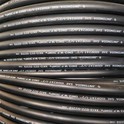
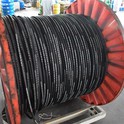
As a trusted supplier of Rubber Hose EN857, I often get asked about the working pressure range of these hoses. In this blog post, I'll delve into the details of the working pressure range of Rubber Hose EN857, explaining what it means, how it's determined, and why it's crucial for various applications.
Understanding Rubber Hose EN857
Before we discuss the working pressure range, let's briefly understand what Rubber Hose EN857 is. EN857 is a European standard that specifies the requirements for two-wire braid and four-wire spiral hydraulic rubber hoses and hose assemblies. These hoses are widely used in hydraulic systems for their excellent flexibility, durability, and resistance to high pressures.
Determining the Working Pressure Range
The working pressure range of Rubber Hose EN857 is determined by several factors, including the construction of the hose, the materials used, and the intended application. The standard defines different types of hoses, each with its own specific working pressure capabilities.


- Two-Wire Braid Hoses: These hoses, such as the Rubber Hose 1SN and Rubber Hose 1SC, are designed for medium-pressure applications. The working pressure range for two-wire braid hoses typically falls between 10 MPa (1,450 psi) and 42 MPa (6,090 psi). The exact working pressure depends on the hose size, with smaller hoses generally capable of higher pressures.
- Four-Wire Spiral Hoses: Four-wire spiral hoses, like the Rubber Hose 4SH, are designed for high-pressure applications. These hoses can handle working pressures ranging from 35 MPa (5,075 psi) to 69 MPa (10,007 psi). The four-wire spiral construction provides enhanced strength and stability, allowing the hoses to withstand higher pressures.
Importance of Working Pressure Range
Understanding the working pressure range of Rubber Hose EN857 is crucial for ensuring the safe and efficient operation of hydraulic systems. Using a hose with a working pressure rating that is too low can lead to hose failure, which can result in leaks, spills, and even equipment damage. On the other hand, using a hose with a working pressure rating that is too high can be unnecessary and costly.
- Safety: Operating a hydraulic system within the recommended working pressure range helps prevent hose rupture, which can pose a significant safety hazard to operators and bystanders. By choosing the right hose for the application, you can minimize the risk of accidents and ensure the safety of your workplace.
- Performance: Using a hose with the appropriate working pressure rating ensures optimal performance of the hydraulic system. A hose that is rated for the correct pressure will maintain its integrity under normal operating conditions, providing reliable fluid transfer and consistent system performance.
- Cost-Effectiveness: Selecting a hose with the right working pressure rating can help you avoid overspending on hoses that are rated for higher pressures than necessary. By choosing the most suitable hose for your application, you can optimize your hydraulic system's performance while keeping costs in check.
Factors Affecting Working Pressure Range
In addition to the hose construction and type, several other factors can affect the working pressure range of Rubber Hose EN857. These factors should be considered when selecting a hose for a specific application.
- Temperature: The working pressure of a hose can be affected by the temperature of the fluid being transported. High temperatures can cause the rubber material to soften, reducing the hose's ability to withstand pressure. It's important to choose a hose that is rated for the maximum temperature expected in the application.
- Fluid Compatibility: The type of fluid being transported can also impact the working pressure range of the hose. Some fluids may be corrosive or abrasive, which can degrade the hose material over time. It's essential to select a hose that is compatible with the fluid being used to ensure long-term performance and reliability.
- Bend Radius: The bend radius of the hose can affect its working pressure capacity. A sharp bend can cause the hose to kink or collapse, reducing its ability to withstand pressure. It's important to follow the manufacturer's recommendations for the minimum bend radius to ensure the hose operates within its specified working pressure range.
Selecting the Right Rubber Hose EN857
When selecting a Rubber Hose EN857 for your application, it's important to consider the working pressure requirements, as well as the other factors mentioned above. Here are some tips to help you choose the right hose:
- Determine the Working Pressure: Calculate the maximum working pressure of your hydraulic system to ensure you select a hose with a suitable working pressure rating. Consider any potential pressure spikes or fluctuations that may occur during operation.
- Consider the Application: Take into account the temperature, fluid compatibility, and bend radius requirements of your application. Choose a hose that is designed to withstand the specific conditions of your hydraulic system.
- Choose a Reputable Supplier: Select a supplier that offers high-quality Rubber Hose EN857 products that meet the relevant standards. A reputable supplier will provide accurate product information and technical support to help you choose the right hose for your needs.
Conclusion
The working pressure range of Rubber Hose EN857 is an important consideration when selecting a hose for hydraulic applications. By understanding the factors that affect the working pressure range and choosing the right hose for your specific needs, you can ensure the safe and efficient operation of your hydraulic system. As a supplier of Rubber Hose EN857, I'm committed to providing high-quality products and expert advice to help you make the right choice. If you have any questions or need assistance in selecting the right hose for your application, please don't hesitate to contact me for a detailed consultation and procurement discussion.
References
- EN 857:2016 - Rubber and plastics hoses and hose assemblies for hydraulic purposes - Specification for two - wire braid and four - wire spiral types.