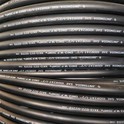
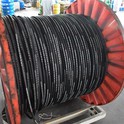
Hey there! As a supplier of RUBBER Hose SAE R9, I often get asked about the temperature limits for these hoses. It's a crucial question because the temperature a hose can withstand directly impacts its performance and lifespan. So, let's dive right into it.
Understanding RUBBER Hose SAE R9
First off, SAE R9 hoses are part of the SAE J517 standard for hydraulic rubber hoses. These hoses are designed for high - pressure hydraulic applications. They're known for their flexibility, durability, and ability to handle different types of hydraulic fluids. But when it comes to temperature, there are specific limits that we need to be aware of.
The Low - Temperature Limit
The low - temperature limit for RUBBER Hose SAE R9 typically ranges from - 40°F (- 40°C). At such low temperatures, rubber becomes stiffer. This stiffness can reduce the hose's flexibility, making it more prone to cracking or damage when bent or flexed. If you're working in an environment where the temperature drops below this limit, the hose might not be able to perform as expected. For example, in cold - weather construction sites or refrigerated warehouses, the low - temperature performance of the hose is a critical factor.
When the temperature approaches the low - end limit, the rubber compound in the hose loses its elasticity. This can affect the hose's ability to seal properly, leading to potential leaks. And as we all know, leaks in a hydraulic system can cause a whole host of problems, from reduced efficiency to system failures.
The High - Temperature Limit
On the other end of the spectrum, the high - temperature limit for RUBBER Hose SAE R9 is around 212°F (100°C). At high temperatures, the rubber can start to break down. The heat can cause the rubber to become soft and lose its structural integrity. This can lead to swelling, which might increase the internal diameter of the hose and reduce the pressure - handling capacity.
Exposure to high temperatures can also accelerate the aging process of the rubber. Over time, the hose might develop cracks, and the reinforcement layers inside the hose could become damaged. In industrial settings where there are hot machinery or high - temperature processes, such as foundries or steel mills, it's essential to ensure that the temperature doesn't exceed the recommended limit for the RUBBER Hose SAE R9.


Factors Affecting Temperature Limits
It's important to note that these temperature limits aren't set in stone. There are several factors that can affect how well a RUBBER Hose SAE R9 performs within these temperature ranges.
- Fluid Type: Different hydraulic fluids have different temperature characteristics. Some fluids can generate more heat during operation, which can increase the temperature inside the hose. For example, synthetic hydraulic fluids might have different heat - transfer properties compared to mineral - based fluids.
- Pressure: High - pressure applications can also generate heat. When the pressure inside the hose is high, the friction between the fluid and the inner walls of the hose can cause the temperature to rise. So, if you're using the hose in a high - pressure system, you need to be extra careful about the temperature.
- Duration of Exposure: The length of time the hose is exposed to extreme temperatures also matters. Short - term exposure to slightly higher or lower temperatures might not cause significant damage, but long - term exposure can degrade the hose much faster.
Comparing with Other SAE Rubber Hoses
If you're considering different types of SAE rubber hoses, it's worth comparing the temperature limits of RUBBER Hose SAE R9 with others. For instance, RUBBER Hose SAE R16 has different temperature capabilities. The SAE R16 hoses are often designed for more heavy - duty applications and might have a wider temperature range in some cases.
Similarly, RUBBER Hose SAE R15 and RUBBER Hose SAE R13 also have their own unique temperature characteristics. Each type of hose is engineered to meet specific requirements, and understanding these differences can help you choose the right hose for your application.
Ensuring Optimal Performance
To make sure your RUBBER Hose SAE R9 performs well within the temperature limits, there are a few things you can do.
- Proper Insulation: In cold environments, insulating the hose can help maintain a more stable temperature. There are various types of insulation materials available that can be wrapped around the hose to protect it from the cold.
- Cooling Systems: In high - temperature applications, using cooling systems can help keep the temperature of the hydraulic fluid and the hose in check. This could involve using heat exchangers or fans to dissipate heat.
- Regular Inspections: Regularly inspecting the hose for signs of damage or wear is crucial. Look for cracks, swelling, or any other visible signs of degradation. If you notice any issues, it's best to replace the hose before it fails.
Conclusion
So, to sum it up, the temperature limits for RUBBER Hose SAE R9 are - 40°F (- 40°C) to 212°F (100°C). Staying within these limits is essential for the proper functioning and longevity of the hose. But remember, various factors can affect these limits, and it's important to take them into account when using the hose in different applications.
If you're in the market for high - quality RUBBER Hose SAE R9, we're here to help. We've got a wide range of hoses that meet the SAE standards and are designed to perform well within the specified temperature limits. Whether you're working in a cold - weather environment or a high - temperature industrial setting, we can provide you with the right hose for your needs. Get in touch with us to discuss your requirements and start a procurement negotiation. We're looking forward to working with you!
References
- SAE J517 Standard for Hydraulic Rubber Hoses
- Industry reports on hydraulic hose performance in different temperature environments