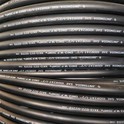
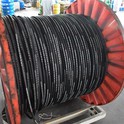
Hey there! As a supplier of RUBBER Hose SAE R16, I'm super stoked to walk you through the quality control process we follow. It's a crucial part of what we do, ensuring that every hose we send out meets the highest standards.
Raw Material Inspection
The quality control journey begins right at the start, with the raw materials. We source our rubber compounds and other materials from trusted suppliers. When the materials arrive at our facility, we conduct a thorough inspection.
First off, we check the physical properties of the rubber. We look at things like its hardness, which is measured using a durometer. This gives us an idea of how tough and resistant the rubber will be. We also examine the color and texture to make sure they match our specifications. Any deviation could indicate a problem with the batch.
Next, we perform chemical tests. We analyze the rubber for its composition, checking for the right balance of polymers and additives. This is important because the chemical makeup affects the hose's performance, such as its resistance to heat, oil, and abrasion. For example, if the rubber doesn't have enough of a certain additive, it might not be able to withstand high - pressure hydraulic fluids.
Extrusion Process Monitoring
Once the raw materials pass inspection, it's time for the extrusion process. This is where the rubber is shaped into the basic form of the hose. During extrusion, we closely monitor several key parameters.
The temperature is a critical factor. If the temperature is too high, the rubber can degrade, losing its strength and flexibility. On the other hand, if it's too low, the rubber might not flow properly, leading to uneven thickness in the hose. We use sensors to constantly measure the temperature at different points in the extrusion machine and make adjustments as needed.
The speed of extrusion also matters. A consistent speed ensures that the hose has a uniform diameter and thickness along its length. We use automated systems to control the speed and make sure it stays within the specified range.
We also visually inspect the extruded hose for any surface defects, like bubbles, cracks, or unevenness. If we find any issues, we stop the process immediately and troubleshoot to find the root cause.
Reinforcement Application
After extrusion, the hose needs reinforcement to handle high - pressure applications. We use different types of reinforcement materials, such as braided or spiraled steel wires.
Before applying the reinforcement, we make sure the surface of the hose is clean and free of any contaminants. This is important for good adhesion between the rubber and the reinforcement.
During the reinforcement process, we check the tension of the wires. If the tension is too loose, the hose might not be able to withstand high pressures. If it's too tight, it could damage the rubber. We use tension meters to ensure that the wires are applied with the correct tension.
We also inspect the pattern of the reinforcement. It should be evenly spaced and properly aligned. Any irregularities in the pattern can weaken the hose and lead to premature failure.
Final Assembly and Testing
Once the reinforcement is applied, the hose goes through the final assembly process. This includes adding end fittings, which are crucial for connecting the hose to other components in a hydraulic system.
We make sure the end fittings are properly sized and installed. The connection between the fitting and the hose should be tight and leak - proof. We use torque wrenches to ensure that the fittings are tightened to the correct specifications.
After assembly, the hose undergoes a series of tests. One of the most important tests is the pressure test. We subject the hose to a specified pressure for a certain period of time. This simulates the real - world conditions the hose will face in a hydraulic system. If the hose can't hold the pressure or shows any signs of leakage, it fails the test and is rejected.
We also perform flexibility tests. A good RUBBER Hose SAE R16 should be flexible enough to be installed in different configurations without kinking. We bend the hose to a certain radius and check if it can return to its original shape without damage.
In addition, we conduct abrasion tests. We rub the hose against an abrasive surface to see how well it can resist wear and tear. This is important for hoses that are used in harsh environments.
Comparison with Other Hose Types
It's worth mentioning how RUBBER Hose SAE R16 compares to other types of hoses, like RUBBER Hose SAE R9, RUBBER Hose SAE R2AT, and RUBBER Hose SAE R13.
SAE R9 hoses are often used for low - pressure applications and have different reinforcement requirements compared to SAE R16. They might not need as much reinforcement because they don't handle high pressures.
SAE R2AT hoses are designed for medium - pressure hydraulic systems. They have a different construction and performance characteristics. For example, they might have a different type of rubber compound or reinforcement pattern.
SAE R13 hoses are typically used in high - pressure, high - impulse applications. While they share some similarities with SAE R16 in terms of high - pressure handling, there are still differences in their design and manufacturing processes.
Why Our Quality Control Matters
Our strict quality control process is not just about meeting industry standards; it's about providing our customers with reliable products. A faulty hose can lead to costly downtime in a hydraulic system, not to mention the safety risks.
By ensuring that every RUBBER Hose SAE R16 we produce meets the highest quality standards, we build trust with our customers. They know they can count on our hoses to perform well in their applications.
Contact for Purchase
If you're in the market for high - quality RUBBER Hose SAE R16, we'd love to hear from you. Whether you have questions about our products, our quality control process, or you're ready to place an order, don't hesitate to reach out. We're here to help you find the right hose for your needs.


References
- Hydraulic Hose Handbook, Industry Standard Publications
- Rubber Technology Manual, Rubber Manufacturers Association