Do hydraulic hoses get longer under pressure?
Introduction:
Hydraulic hoses are essential components in various industries, enabling the transfer of fluids and energy between different parts of a hydraulic system. The behavior of hydraulic hoses under pressure is a topic of interest, as it can impact system performance and safety. In this article, we will explore whether hydraulic hoses get longer when subjected to pressure and examine the factors influencing their behavior. Let''s delve into the fascinating world of hydraulic systems!
Understanding Hydraulic Hoses:
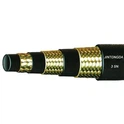
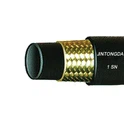
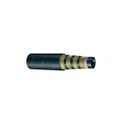
Before we discuss the impact of pressure on hydraulic hoses, let''s understand the construction and functioning of these vital components. Hydraulic hoses are typically made of synthetic rubber or thermoplastic materials, reinforced with several layers of fabric or wire braid. These reinforcements provide strength and flexibility to withstand high pressures.
Hydraulic systems operate by using an incompressible fluid, typically oil, to transmit power. The fluid is pressurized using a pump, creating a force that drives the system''s actuators and motors. Hydraulic hoses act as conduits, carrying the pressurized fluid from one component to another.
Elasticity and Expansion:
When a hydraulic hose is pressurized, it experiences internal forces exerted by the fluid. These forces can cause the hose to stretch slightly, resulting in a change in its length. This phenomenon is often referred to as hose expansion or elongation.
It is important to note that the expansion of hydraulic hoses under pressure is relatively small and within acceptable limits. Manufacturers design hydraulic systems to accommodate this expansion, ensuring that the hoses can operate effectively without becoming overly stretched or deformed.
Factors Influencing Hose Expansion:
Several factors influence the expansion of hydraulic hoses under pressure. Let''s explore the key factors:
1. Hose Material: The choice of material used in manufacturing hydraulic hoses impacts their expansion characteristics. Different materials have varying elastic properties, which can affect how much the hose expands under pressure.
2. Reinforcement Type: The reinforcement layers in hydraulic hoses provide strength and stability. The type and arrangement of these reinforcements can influence the expansion behavior of the hose. For instance, hoses with higher tensile strength wire braids may exhibit less expansion compared to those with fabric reinforcement.
3. Hose Size and Length: The size and length of the hydraulic hose also play a role in determining its expansion under pressure. Longer hoses may experience slightly greater expansion than shorter ones, while larger diameter hoses might exhibit more expansion compared to smaller ones.
4. Operating Pressure: The actual pressure applied to a hydraulic hose influences its expansion. Higher pressures can result in increased elongation; however, the effect is generally minimal and well within acceptable limits.
5. Temperature: Temperature changes can impact the expansion behavior of hydraulic hoses. As the temperature increases, the material may become more pliable, leading to slightly more expansion. However, modern hydraulic hoses are designed to withstand a wide range of temperatures without significant deformation.
It is important for hydraulic system designers and operators to consider these factors while selecting and installing hydraulic hoses to ensure proper system performance and longevity.
Control and Mitigation:
While hydraulic hoses do expand under pressure, several measures can be taken to control and mitigate this phenomenon. These include:
1. Hose Material Selection: Choosing hydraulic hoses made from materials with lower expansion coefficients can help minimize elongation under pressure. Manufacturers often provide technical specifications for their hoses that include information about elasticity and expansion characteristics.
2. Proper Installation: Ensuring that hydraulic hoses are installed correctly and securely can help minimize excessive expansion. Adequate support, correct routing, and fastening can prevent hoses from being subjected to unnecessary stresses.
3. Burst Pressure Considerations: Hydraulic hoses are typically designed with a burst pressure rating, indicating the maximum pressure they can withstand without failure. Operating the system within the recommended pressure range can reduce the likelihood of excessive expansion and potential hose failure.
4. Regular Inspection and Maintenance: Periodic inspection and maintenance of hydraulic hoses are essential to identify any signs of wear, damage, or excessive expansion. Timely replacement of hoses exhibiting significant elongation can prevent potential system failures and accidents.
Conclusion:
In conclusion, hydraulic hoses do experience minimal expansion under pressure. However, this expansion is generally within acceptable limits and does not significantly affect system performance. Factors such as hose material, reinforcement type, size and length, operating pressure, and temperature influence the extent of expansion. By considering these factors, selecting appropriate materials, and implementing proper installation practices, hydraulic system designers and operators can effectively control and mitigate hose expansion. The reliable and efficient operation of hydraulic systems relies on understanding the behavior of hydraulic hoses under pressure and taking necessary precautions to ensure their optimal performance.