Introduction
Hydraulic hoses are used in many industries for transmitting fluid under pressure. Their flexibility and strength make them ideal for use in high-pressure systems. But have you ever wondered if hydraulic hoses get longer under pressure? In this article, we will explore this question in detail.
What are Hydraulic Hoses?
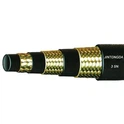
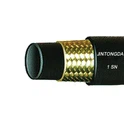
Hydraulic hoses are flexible tubes that are used to transmit hydraulic fluid from one part of a mobile or industrial system to another. They are used in systems that require the transfer of pressurized fluid. The fluid can be oil, water, or gas. Hydraulic hoses come in many different shapes and sizes.
How do Hydraulic Hoses Work?
Hydraulic hoses work by using fluid pressure to transmit force. The fluid is pumped through the hoses under high pressure, which causes the hoses to become rigid. The pressure is then used to move a mechanical component, such as a cylinder or motor.
Do Hydraulic Hoses Get Longer Under Pressure?
The short answer is yes, hydraulic hoses can get longer under pressure. When the hoses are pressurized, they can expand due to the internal pressure of the fluid. This expansion can cause the hoses to become longer. However, this expansion is minimal and should not affect the performance of the system.
Why Do Hydraulic Hoses Expand?
Hydraulic hoses expand because of the pressure of the fluid. The fluid pressure forces the walls of the hoses to expand slightly. The amount of expansion depends on a few different factors, such as the size of the hoses and the pressure of the fluid.
How Much do Hydraulic Hoses Expand?
The amount of expansion that occurs in hydraulic hoses is minimal. For example, a 1-inch hydraulic hose will only expand by a few thousandths of an inch when pressurized to 3,000 psi. This amount of expansion is not significant and should not affect the performance of the system.
Can Hydraulic Hoses Burst Under Pressure?
Hydraulic hoses are designed to withstand high pressures without bursting. However, if the pressure exceeds the maximum working pressure of the hose, it can burst. This can happen if the hose is damaged, worn, or improperly installed. If you notice any bulges, cracks, or other visible signs of damage on the hose, it should be replaced immediately.
How to Prevent Hydraulic Hose Failure?
The best way to prevent hydraulic hose failure is to regularly inspect the hoses for signs of damage. When inspecting the hoses, check for signs of wear and tear, such as cracks or bulges. Replace any hoses that show these signs of damage.
Another way to prevent hydraulic hose failure is to use the correct type of hose for the application. There are many different types of hydraulic hoses available, each with different levels of resistance to heat, abrasion, and pressure. Using the right type of hose for the application can help prevent hose failure.
Conclusion
In conclusion, hydraulic hoses can get longer under pressure, but the amount of expansion is minimal and should not affect the performance of the system. If you notice any signs of damage on the hose, it should be replaced immediately to prevent hose failure. By following these guidelines, you can ensure the safe and efficient operation of your hydraulic system.