How do you fix a rubber hydraulic hose?
Hydraulic systems are widely used in various industries and vehicles to transmit power and control machinery. Rubber hydraulic hoses play a crucial role in these systems by conveying hydraulic fluid under high pressure. However, due to a variety of reasons such as wear and tear, physical damage, or aging, these hoses may develop leaks or cracks, leading to a loss of hydraulic pressure and system failure. In such cases, it becomes imperative to fix the rubber hydraulic hose promptly to ensure the smooth operation of the hydraulic system. This article aims to provide an in-depth guide on how to fix a rubber hydraulic hose effectively.
Understanding Hydraulic Hoses
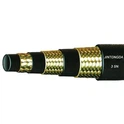
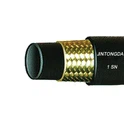
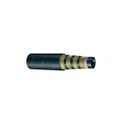
Before diving into the repair process, it is essential to have a basic understanding of hydraulic hoses and their construction. Hydraulic hoses consist of several layers, including an inner tube, reinforcement layer(s), and an outer cover. The inner tube, typically made of synthetic rubber, is responsible for containing and conveying the hydraulic fluid. The reinforcement layer(s) provide strength to the hose and resist high pressure, and the outer cover protects the hose from external damage.
Identifying the Problem
The first step in fixing a rubber hydraulic hose is identifying the source of the problem. Inspect the hose thoroughly for any visible signs of damage such as leaks, cracks, bulges, or abrasions. In some cases, the damaged area may be hard to spot, especially if it is hidden beneath other components or if the leak is small. However, it is crucial to be as thorough as possible, as even a small leak can lead to significant problems later on.
Repairing Minor Damages
If the damage is minor, it may be possible to repair the hydraulic hose without replacing it entirely. Here are some common methods to fix minor damages:
1. Using Hose Clamps: For small leaks or cracks, hose clamps can be used as a temporary solution. Position the clamp tightly around the damaged area to stop the leak. However, this method should only be used as a temporary fix, as the hose may need proper repair or replacement later on.
2. Using Hose Repair Kits: Hose repair kits are commercially available and can be used for minor repairs. These kits usually contain connectors, splices, and clamps that can be used to patch up small leaks or damaged sections. Follow the manufacturer''s instructions carefully while using these kits to ensure a proper repair.
3. Applying Tape or Sealants: In some cases, specially designed tapes or sealants can be used to seal small leaks temporarily. These products are usually applied over the damaged area and left to cure or harden, forming a seal. However, it is important to note that these methods are temporary solutions and the hose should be replaced or repaired adequately for long-term reliability.
Replacing the Hydraulic Hose
In cases where the damage is significant or the hose is beyond repair, it is necessary to replace the entire hydraulic hose. Here is a step-by-step guide on how to replace a rubber hydraulic hose:
1. Drain the Hydraulic Fluid: Before replacing the hose, ensure that the hydraulic system is depressurized and the fluid is drained completely. This step is crucial for the safety of the person performing the replacement and prevents excessive spillage or contamination.
2. Identify the Fittings: Observe the fittings at each end of the hose. Take note of the type, size, and orientation of the fittings, as they need to be replicated during installation.
3. Remove the Old Hose: Loosen the fittings on both ends of the hose using suitable wrenches or tools. Take care to avoid damaging the fittings or other components. Once the fittings are loose, remove the old hose from the system.
4. Prepare the New Hose: Cut the new rubber hydraulic hose to the required length, ensuring that it matches the length of the old hose precisely. It is advisable to use a hose cutter or a fine-toothed saw to achieve a clean, square cut.
5. Install the Fittings: Before installing the new hose, ensure that the fittings are clean and free from debris or contaminants. Apply a thin layer of hydraulic fluid on the inside of the fittings to lubricate them. Carefully install the fittings on each end of the new hose, ensuring a secure and tight connection.
6. Secure the Hose: Using appropriate clamps or brackets, secure the new hose in its designated position. Avoid excessive twisting, bending, or tension on the hose, as it may lead to premature failure or damage.
7. Bleed the System: Once the new hose is installed and secured, it is essential to bleed the hydraulic system to remove any trapped air. Consult the system''s manual or manufacturer''s guidelines for the correct bleeding procedure.
Maintenance and Preventive Measures
Repairing or replacing a rubber hydraulic hose is a temporary solution to an immediate problem. To prevent future hose failures and extend the lifespan of hydraulic hoses, regular maintenance and preventive measures are crucial. Here are some tips to keep in mind:
1. Inspect Regularly: Periodically inspect all hydraulic hoses for signs of wear, leaks, or damage. Integrate hose inspections into the maintenance routine of the hydraulic system to catch potential issues early.
2. Replace Worn Hoses: Replace hydraulic hoses that show signs of aging or wear, even if they have not yet failed. This proactive approach can prevent unexpected failures and system downtime.
3. Proper Installation: Ensure that all hoses are installed correctly, avoiding sharp bends, extreme temperatures, or excessive tension. Improper installation can lead to premature hose failure.
4. Choose High-Quality Hoses: Invest in high-quality rubber hydraulic hoses that adhere to industry standards and specifications. Reliable hoses are less prone to damage and offer better overall performance.
5. Follow Manufacturer''s Guidelines: Always follow the manufacturer''s recommendations and guidelines for the installation, operation, and maintenance of hydraulic hoses. These guidelines are designed to optimize performance and maximize the lifespan of the hoses.
Conclusion
Fixing a rubber hydraulic hose requires careful inspection, proper diagnosis, and appropriate repair techniques. While minor damages can be temporarily fixed using clamps, repair kits, or sealants, significant damages may require the replacement of the entire hose. Regular maintenance, inspection, and adherence to preventive measures can prevent hose failures and ensure the reliable and efficient operation of hydraulic systems. Remember to prioritize safety during the repair process and consult professional help if needed.