How do you joint a hydraulic hose?
Jointing a hydraulic hose is an essential skill for anyone who deals with hydraulic systems. Whether you work in the automotive industry, construction, agriculture, or any other field that relies on hydraulic machinery, being able to properly joint a hydraulic hose can make all the difference when it comes to safety, reliability, and efficiency. In this article, we will go over some basic steps you can follow to joint a hydraulic hose effectively and safely.
Step 1: Choose the Right Hose and Fittings
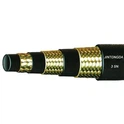
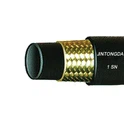
The first step in jointing a hydraulic hose is to choose the right hose and fittings for your application. Hydraulic hoses come in a variety of sizes, materials, and pressure ratings, so it is important to select the one that is best suited for the job at hand. Consult with your hydraulic system manual or a qualified hydraulic specialist to determine the correct hose size, material, and pressure rating for your application.
Once you have selected the appropriate hose, you will need to choose the fittings that will be used to attach the hose to your hydraulic system. Fittings come in different shapes, sizes, and materials, so you should choose the ones that are compatible with your hose and system. Some common types of hydraulic fittings include flare, O-ring boss, and JIC fittings.
Step 2: Prepare the Hose and Fittings
Before you begin jointing the hose, you will need to prepare the hose and fittings. Start by cutting the hose to the correct length using a hose cutter or sharp knife. Use a deburring tool to remove any burrs or rough edges from the cut end of the hose. You should also clean the hose and fittings thoroughly to remove any dirt, debris, or residue that could hinder the jointing process.
Next, insert the fitting into the end of the hose, making sure that it is properly aligned and seated. Apply a thin layer of lubricant to the threads of the fitting to ensure a smooth and easy assembly. Tighten the fitting onto the hose using a wrench or pliers, being careful not to overtighten or cross-thread the fitting.
Step 3: Attach the Hose to the System
Once you have prepared the hose and fittings, you can begin to attach the hose to your hydraulic system. Before doing so, make sure that the system is depressurized and all valves are closed to prevent any fluid from leaking or spraying out. Attach the hose to the system by screwing the fitting onto the corresponding port, making sure to tighten it securely without overtightening.
After the hose has been attached to the system, you should test it for leaks and other potential hazards. Check for any signs of leakage or damage, and make any necessary adjustments or repairs. You should also inspect the hose and fittings regularly to ensure that they are functioning properly and are in good condition.
Safety Precautions
Jointing a hydraulic hose can be a dangerous and potentially hazardous task if not done properly. Here are some safety precautions you should follow to ensure your safety and the safety of others:
- Always wear appropriate personal protective equipment, including gloves, safety goggles, and long-sleeved clothing.
- Never look directly at a pressurized hydraulic hose, as it can whip or burst and cause serious injury or even death.
- Make sure that all valves are closed and the system is depressurized before attaching or detaching a hose.
- Use proper tools and equipment, including a hose cutter, deburring tool, and wrench or pliers.
- Never exceed the recommended pressure rating for the hose or fittings.
- Regularly inspect the hose and fittings for signs of wear, leaks, or damage, and replace them as needed.
Conclusion
Jointing a hydraulic hose is an essential skill for anyone who works with hydraulic systems. By following these basic steps and safety precautions, you can safely and effectively joint a hydraulic hose for optimal performance and reliability. Remember to choose the right hose and fittings, prepare them properly, and attach them to the system safely and securely. With proper maintenance and inspection, your hydraulic hose and system can operate safely and efficiently for years to come.