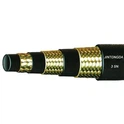
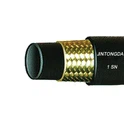
Sometimes the hydraulic hose quickly fails, and sometimes the hose is very durable, which does not mean that the quality of the hose that fails quickly is poor, and the service life of the hydraulic hose assembly largely depends on its use conditions.
When selecting and using, the service life of the assembly can be extended by the following measures:
1, the installation of the hose assembly: the installation of the hydraulic hose assembly should comply with the relevant standards on the direction and layout of the hydraulic hose to ensure the correct use of the hose assembly.
2, working pressure: the hydraulic system pressure should not exceed the rated working pressure of the hose. Pressure spikes or spikes in excess of the rated working pressure are extremely damaging and must be taken into account when choosing a hose.
3, the minimum bursting pressure: the bursting pressure is limited to the destructive test to determine the purpose of the design safety factor.
4, the temperature range: do not exceed the recommended limit of temperature conditions including internal and external temperatures to use the hose. If the hydraulic fluid used contains emulsions or solutions, please refer to the relevant technical data separately.
Regardless of the operating temperature range of the hose, it must not exceed the maximum operating temperature recommended by the fluid manufacturer.
5, fluid compatibility: hydraulic hose assembly inner rubber layer, outer rubber layer, reinforcement layer and hose connector must be compatible with the fluid used.
The appropriate hose must be used because the chemical properties of phosphate and petroleum-based hydraulic fluids are very different, and many hoses are suitable for one or more fluids, but not for all fluid types.
6, the minimum bending radius: the hose should not be bent to less than the recommended minimum bending radius, nor should the hose withstand tension or torque, which may make the reinforcement layer bear excessive stress, greatly reducing the ability of the hose to withstand pressure.
7, hose size: hose size diameter must be able to handle the required flow, in a specific flow, if the diameter is too small, will cause excessive fluid pressure and generate heat, resulting in damage to the inner rubber layer.
8, hose direction layout: to constrain, protect or guide the hose, use pipe clamps if necessary to minimize the risk of breakage due to excessive bending, shaking or contact with moving parts or corrosion. Determine the appropriate hose length and joint form to prevent wear, contact with sharp objects and distortion, thus achieving a leak-proof connection.
9, hose length: Determine the correct hose length should be under pressure, machine vibration and movement, and hose assembly wiring length changes should be taken into account.
10, hose application: Select the appropriate hose according to the specific application. Special fluid or high temperature properties are examples of applications that require special consideration with specialized hoses.
11, hose wear layer: according to the specific application to choose the appropriate hose. In the case of strong vibration and contact between the hose and other parts, it is necessary to use a hose with a wear-resistant layer, or wrap a protective layer to prevent wear.
The hose assembly in use should be inspected regularly for leaks, kinks, blistering, chafing, abrasion, or other damage. When the assembly is found to be damaged or worn, it must be replaced immediately.
Jul 19, 2023
How to use the hydraulic hose correctly to obtain the best service life
Send Inquiry