What are rubber hoses used for?
Introduction
Rubber hoses are widely used in various industries and applications due to their flexibility, durability, and ability to withstand high pressure. These hoses are made from synthetic rubber and are reinforced with various materials to enhance their strength. In this article, we will explore the different uses of rubber hoses, their types, and the materials used for reinforcement.
Industrial Applications
Rubber hoses find extensive use in industrial settings due to their versatility and reliability. Here are some of the key applications of rubber hoses in industries:
1. Pneumatic Systems: Rubber hoses are commonly used to transport compressed air in pneumatic systems, where they act as a conduit for transferring air from one component to another. These hoses are designed to withstand high pressure and are resistant to abrasion and degradation caused by the constant flow of compressed air.
2. Hydraulic Systems: Rubber hoses play a crucial role in hydraulic systems, where they are used to transmit hydraulic fluid under high pressure. These hoses are capable of handling a range of fluids, including oils, fuels, and hydraulic fluids. They provide a flexible connection between various hydraulic components and are designed to withstand extreme temperatures and pressures.
3. Automotive Industry: Rubber hoses are extensively used in the automotive industry for a variety of purposes. They are used in cooling systems to carry coolant from the engine block to the radiator and back. These hoses are also used for fuel delivery, power steering, and brake systems. The ability of rubber hoses to withstand high temperatures and pressures makes them suitable for these critical applications.
4. Chemical Industry: Rubber hoses are highly resistant to a wide range of chemicals, making them suitable for use in the chemical industry. They are used for the transfer of various chemicals, acids, and alkalis in chemical processing plants. These hoses are designed to be corrosion-resistant, ensuring the safety and reliability of chemical transfer operations.
5. Food and Beverage Industry: Rubber hoses that comply with food-grade standards are used in the food and beverage industry. These hoses are designed to transport food products, such as dairy, wine, beer, and edible oils. Food-grade rubber hoses are odorless, tasteless, and resistant to the growth of bacteria, ensuring the integrity of the transported food products.
Types of Rubber Hoses
Rubber hoses come in various types, each designed for specific applications. Here are some of the commonly used types of rubber hoses:
1. Air/Water Hoses: These hoses are used for the transfer of air and water in industrial and commercial settings. They are available in various sizes and are designed to withstand high pressure.
2. Fuel Hoses: Fuel hoses are used in automotive and industrial applications for the transfer of fuels, including gasoline, diesel, and oil. These hoses are resistant to the corrosive effects of fuels and can withstand high temperatures.
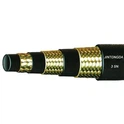
3. Hydraulic Hoses: Hydraulic hoses are used in hydraulic systems to transmit hydraulic fluid and power. They are reinforced with multiple layers of high-strength materials, such as steel wire, to withstand high pressures.
4. Chemical Hoses: Chemical hoses are designed for the transfer of chemicals and corrosive substances in industrial settings. These hoses are resistant to a wide range of chemicals and can handle both suction and discharge applications.
5. Steam Hoses: Steam hoses are used to transfer steam in applications such as steam cleaning, steam ironing, and industrial processes. These hoses are specially designed to withstand high temperatures and pressures.
Reinforcement Materials
Rubber hoses are reinforced with various materials to enhance their strength and durability. Here are some commonly used reinforcement materials:
1. Textile Reinforcement: Textile reinforcement involves the use of high-strength synthetic fibers, such as nylon, polyester, or aramid, to provide structural integrity to the hose. Textile-reinforced hoses are lightweight and flexible, making them suitable for a wide range of applications.
2. Wire Reinforcement: Wire reinforcement involves the use of steel wire or spiral wire to reinforce rubber hoses. Steel wire-reinforced hoses are used in high-pressure applications where extra strength is required to withstand the pressure and prevent hose bursts.
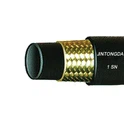
3. Braided Reinforcement: Braided reinforcement involves the use of multiple layers of synthetic or stainless-steel braid to enhance the strength of the hose. These hoses are commonly used in hydraulic and high-pressure applications.
4. Spiral Reinforcement: Spiral reinforcement involves the use of multiple layers of steel wire spirals to provide high tensile strength to the hose. Spiral-reinforced hoses are used in extreme high-pressure applications, such as hydraulic jacks and excavators.
Conclusion
Rubber hoses are essential components in various industries and applications. Their flexibility, durability, and resistance to high pressure and chemicals make them suitable for a wide range of uses. Whether it is transferring fluids, gases, or chemicals, rubber hoses play a vital role in ensuring the smooth functioning of various systems. With the availability of different types and reinforcement materials, rubber hoses can be customized to meet specific application requirements. So next time you see a rubber hose, remember its importance and the multitude of ways it contributes to our daily lives.