Introduction
Hydraulic hoses are an essential part of hydraulic systems. They are responsible for transporting high-pressure fluids between different components of hydraulic systems. Different types of hydraulic hoses are designed to suit different hydraulic systems. In this article, we will discuss the four main types of hydraulic hoses.
Type 1: Standard Hydraulic Hose
The first type of hydraulic hose is the standard hydraulic hose. These hoses are made of synthetic rubber and are reinforced with steel wire. They are suitable for hydraulic systems with a maximum pressure of 3000 psi. Standard hydraulic hoses are used in applications such as construction equipment, mining, and industrial machinery.
Type 2: Wire Braided Hydraulic Hose
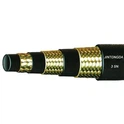
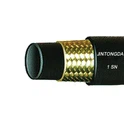
Wire braided hydraulic hoses are made of synthetic rubber and are reinforced with a single or double wire braid. They are suitable for hydraulic systems with a maximum pressure of 6000 psi. Wire braided hydraulic hoses are used in applications such as agriculture, construction equipment, and mining.
Type 3: Spiral Hydraulic Hose
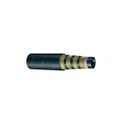
Spiral hydraulic hoses are made of synthetic rubber and are reinforced with a spiral wire. They are suitable for hydraulic systems with a maximum pressure of 8000 psi. Spiral hydraulic hoses are used in applications such as oil and gas drilling, mining, and heavy equipment.
Type 4: Thermoplastic Hydraulic Hose
Thermoplastic hydraulic hoses are made of thermoplastic material and are reinforced with a single or double layer of synthetic fiber. They are suitable for hydraulic systems with a maximum pressure of 10,000 psi. Thermoplastic hydraulic hoses are used in applications such as medium to high-pressure hydraulic lines, mobile equipment, and agricultural machinery.
Factors to Consider When Choosing the Type of Hydraulic Hose
When choosing the type of hydraulic hose to use, several factors need to be considered. The factors include the system pressure, the fluid temperature, the hose length, the bend radius, and the abrasion resistance.
The system pressure is the maximum pressure that the hydraulic system can handle. The type of hydraulic hose used must have a pressure rating that is equal to or higher than the system pressure.
The fluid temperature is the temperature of the hydraulic fluid that flows through the hose. The type of hydraulic hose used must be able to withstand the temperature of the fluid.
The hose length is the distance between the hydraulic components that the hose connects. The type of hydraulic hose used must be long enough to reach between the components.
The bend radius is the minimum radius that a hydraulic hose can bend without kinking or damaging the hose. The type of hydraulic hose used must have a bend radius that is suitable for the application.
The abrasion resistance is the ability of the hydraulic hose to withstand wear and tear from external factors such as friction and impact. The type of hydraulic hose used must have a high abrasion resistance if the application involves exposure to such factors.
Conclusion
Hydraulic hoses are critical components of hydraulic systems. The four main types of hydraulic hoses are standard hydraulic hoses, wire braided hydraulic hoses, spiral hydraulic hoses, and thermoplastic hydraulic hoses. When choosing the type of hydraulic hose to use, factors such as the system pressure, the fluid temperature, the hose length, the bend radius, and the abrasion resistance need to be considered to ensure that the hydraulic system works efficiently and effectively.