What are the parts of a hose assembly?
Introduction
A hose assembly is an essential component in various industries and applications, including plumbing, automotive, agriculture, and manufacturing. It is a flexible conduit used to convey fluids from one location to another. A hose assembly typically consists of several parts that work together to ensure proper fluid transfer and control. In this article, we will explore the different components of a hose assembly and their functions in detail.
Hose
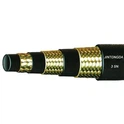
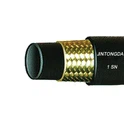
The hose itself is the primary component of a hose assembly. It is a flexible tube made of various materials, such as rubber, PVC, or metal, depending on the application. The hose is designed to withstand the pressure of the fluid being transferred and is available in different diameters and lengths to suit specific requirements.
Fittings
Fittings are integral parts of a hose assembly, connecting the hose to other components or equipment. There are different types of fittings, including threaded, flanged, quick-connect, and push-on fittings. These fittings ensure a secure connection, prevent leaks, and allow for easy installation and removal of the hose assembly.
Couplings
Couplings are similar to fittings and are used to connect two hoses together or a hose to a piece of equipment. They provide a secure and leak-proof connection, ensuring the efficient transfer of fluids. Couplings can be designed in various forms, such as cam and groove, Bauer, or Storz couplings, depending on the specific application.
Adapters
Adapters are used when there is a need to connect hoses or fittings of different sizes or types. They act as intermediaries, ensuring a proper and secure connection between mismatched components. Adapters can be made of metal or plastic, and they come in various shapes and sizes to accommodate different requirements.
Clamps
Clamps are used to secure the hose assembly to fittings or other equipment. They ensure a tight and reliable connection, preventing leaks and maintaining the integrity of the assembly. Clamps can be made of metal, such as stainless steel, or plastic, and they come in different designs, including worm gear, T-bolt, or spring-loaded clamps.
Gaskets
Gaskets are used to create a seal between two mating surfaces, preventing leaks at the connection points. They are typically made of rubber or synthetic materials and come in various shapes and sizes. Gaskets are commonly used with fittings, couplings, and adapters to provide a leak-proof and secure connection.
Valves
Valves are crucial components in a hose assembly as they control the flow of fluids. They can start, stop, or regulate the flow, enabling users to control the process. Different types of valves, such as ball valves, gate valves, or butterfly valves, are used depending on the application and fluid being conveyed.
Strainers/Filters
In some applications, it is necessary to remove impurities or particles from the fluid being transferred. Strainers or filters are used in such cases. These components are inserted into the hose assembly to trap debris and prevent it from entering and damaging downstream equipment or causing blockages.
Safety Devices
Safety devices are added to hose assemblies to prevent accidents or damage in case of pressure surges, excessive temperature, or unexpected hose failure. Examples of safety devices include pressure relief valves, temperature sensors, and burst-resistant sleeves. These devices help protect personnel, equipment, and the environment in critical situations.
Hose Protection
To enhance the longevity and performance of a hose assembly, various protective components can be added. These include protective sleeves, covers, or guards that shield the hose from external hazards like abrasion, chemicals, UV radiation, or extreme temperatures. Hose protection ensures the integrity of the assembly and extends its service life.
Conclusion
A hose assembly is a complex system comprising various components that work together to facilitate the transfer of fluids in different industries and applications. Each part, whether it''s the hose itself, fittings, couplings, adapters, clamps, gaskets, valves, strainers, safety devices, or hose protection, plays a vital role in maintaining the efficiency, safety, and reliability of the assembly. Understanding the different parts of a hose assembly is crucial for selecting the right components and ensuring optimal performance in fluid transfer applications.