Introduction
A hydraulic hose assembly is an integral component of any hydraulic system, whether it is used in industrial, agricultural, or construction equipment. This type of hose assembly is specially designed to transfer pressurized fluid from one point to another within a hydraulic system. It is made up of several different components, including hoses, fittings, couplings, and adaptors.
In this article, we will provide a comprehensive overview of hydraulic hose assemblies, including their construction, materials, uses, maintenance, and troubleshooting.
Construction of a Hydraulic Hose Assembly
Hydraulic hose assemblies are made up of several different components, each of which plays a vital role in ensuring the safe and efficient operation of the hose. These components include:
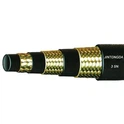
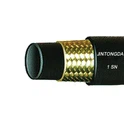
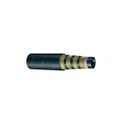
- Hose: The hose is the main component of a hydraulic hose assembly and is responsible for carrying the pressurized fluid from one point to another within the system. It is typically made of synthetic rubber or thermoplastic materials and is designed to withstand high pressures and temperatures.
- Fittings: Fittings are the connectors that attach the hose to the other components of the hydraulic system. They are made of various materials, including steel, brass, or plastic, and are either crimped or screwed onto the hose.
- Couplings: Couplings are used to connect two or more hoses together and are also made of various materials, including steel, brass, or plastic.
- Adaptors: Adaptors are used to connect hoses to different components of the hydraulic system, such as pumps, motors, or valves.
Materials Used in Hydraulic Hose Assemblies
The materials used in hydraulic hose assemblies depend on several factors, including the application, the type of fluid being transported, and the pressure and temperature requirements of the system. Some of the most commonly used materials include:
- Synthetic rubber: Synthetic rubber is the most common material used in hydraulic hoses. It is durable, flexible, and can withstand high pressures and temperatures.
- Thermoplastic: Thermoplastic materials, such as nylon and polyethylene, are often used in hydraulic hose assemblies where flexibility and resistance to chemicals and abrasion are essential.
- Steel: Steel is a common material used in fittings, couplings, and adaptors, due to its strength and durability.
- Brass: Brass is commonly used in fittings due to its corrosion resistance and malleability.
Uses of Hydraulic Hose Assemblies
Hydraulic hose assemblies are used in a variety of industries, including:
- Agriculture: Hydraulic systems are commonly used in agricultural equipment, such as tractors and harvesters, to power various attachments, such as plows, cultivators, and planters.
- Construction: Hydraulic systems are commonly used in construction equipment, such as excavators and bulldozers, to power various functions, such as digging, lifting, and pushing.
- Manufacturing: Hydraulic systems are commonly used in manufacturing operations, such as assembly lines, to power various machines and equipment.
Maintenance of Hydraulic Hose Assemblies
Proper maintenance of hydraulic hose assemblies is crucial to ensuring their safe and efficient operation. Here are some tips for maintaining hydraulic hose assemblies:
- Check for leaks: Regularly inspect hydraulic hose assemblies for any signs of leaks, such as puddles of fluid or wet spots on the hoses.
- Replace damaged hoses: If you notice any signs of damage, such as cracks, abrasions, or cuts, replace the hose immediately.
- Use the right fluid: Make sure that the fluid being used in the hydraulic system is the correct type and viscosity for the system.
- Inspect fittings: Regularly inspect fittings for any signs of wear or damage, and replace as necessary.
- Check couplings: Make sure that couplings are securely attached and that there is no build-up of dirt or debris that could interfere with their operation.
Troubleshooting Hydraulic Hose Assemblies
If you experience any issues with your hydraulic hose assembly, here are some troubleshooting tips:
- Check fluid levels: Make sure that the correct amount of fluid is in the hydraulic system.
- Check for leaks: If the hydraulic system is losing pressure, check for any signs of leaks.
- Check hoses: Make sure that all hoses are connected securely and that there are no signs of damage.
- Check fittings: Make sure that all fittings are securely attached and that there are no signs of wear or damage.
- Check couplings: Make sure that all couplings are securely attached and that there is no build-up of dirt or debris that could interfere with their operation.
Conclusion
A hydraulic hose assembly is a crucial component of any hydraulic system and is used in a variety of industries, including agriculture, construction, and manufacturing. Proper construction, materials, use, maintenance, and troubleshooting of hydraulic hose assemblies is essential to ensuring their safe and efficient operation. With the information provided in this article, you should now have a comprehensive understanding of this critical component of hydraulic systems.