What is the ID of a hydraulic hose?
A hydraulic hose is an essential component in hydraulic systems, delivering fluids from one component to another. The ID, or inside diameter, of a hydraulic hose is a critical specification that determines its flow capacity and compatibility with various components. In this article, we will delve into the world of hydraulic hoses, exploring their importance, features, and different types available in the market.
Importance of Hydraulic Hose ID:
The ID of a hydraulic hose is crucial as it directly affects the flow rate of fluid within the system. The larger the ID, the higher the flow capacity, allowing for faster and more efficient operation. On the other hand, a smaller ID restricts the flow rate, potentially causing pressure drops and reduced performance.
Furthermore, the ID of a hydraulic hose also determines the compatibility with different components within the hydraulic system. Manufacturers design hydraulic systems with specific flow requirements, and using a hose with an incorrect ID can disrupt the system''s functionality or even cause damage.
Features of Hydraulic Hoses:
Hydraulic hoses are designed to withstand high-pressure environments and carry hydraulic fluids efficiently. They possess several unique features that make them suitable for these demanding applications:
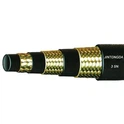
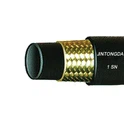
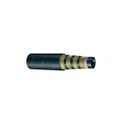
1. Reinforcement: Hydraulic hoses typically consist of multiple layers of reinforcement, including braided or spiraled metal wires or synthetic fibers. Reinforcement enhances their strength, durability, and resistance to pressure spikes.
2. Inner Tube: The innermost layer of a hydraulic hose is called the inner tube. It is responsible for carrying the fluid and protecting it from external contaminants. The material used for the inner tube can vary depending on the application and fluid compatibility requirements.
3. Cover: The outer layer of a hydraulic hose is known as the cover. It protects the inner layers from external damage, abrasion, and exposure to harsh environmental conditions.
4. End Fittings: Hydraulic hoses have end fittings at each of their termination points, allowing them to connect securely to hydraulic components. Common end fitting types include crimped, reusable, or swaged fittings.
5. Temperature Resistance: Hydraulic hoses are designed to handle a wide range of temperatures, from extreme cold to high heat. The materials used in their construction, such as synthetic rubber or thermoplastics, provide excellent temperature resistance.
Types of Hydraulic Hoses:
Hydraulic hoses come in various types, each designed for specific applications and operating conditions. Some commonly used types include:
1. Standard Hydraulic Hoses: These hoses, also known as textile-braided hoses, are suitable for low to medium pressure applications. They have a textile reinforcement layer and are cost-effective options for general hydraulic systems.
2. Wire-Braided Hydraulic Hoses: Wire-braided hoses have one or two layers of braided steel wire reinforcement, making them more robust and suitable for higher pressure applications. They find applications in industries such as construction, mining, and agriculture.
3. Spiral Hydraulic Hoses: Spiral hoses feature multiple layers of spiraled steel wire reinforcement, offering exceptional strength and resistance to pressure. They are commonly used in heavy-duty applications and high-pressure hydraulic systems.
4. Thermoplastic Hydraulic Hoses: These hoses are constructed using thermoplastic materials such as polyamide, polyester, or polyurethane. They provide excellent resistance to chemicals, extreme temperatures, and are often used in specialized applications like pneumatic systems.
5. Teflon (PTFE) Hydraulic Hoses: Teflon hoses have a PTFE inner tube, enabling them to handle a wide range of chemicals and corrosive fluids. They are resistant to high temperatures and find applications in industries such as chemical processing and automotive.
Choosing the Right Hydraulic Hose:
Selecting the appropriate hydraulic hose for a specific application involves considering several factors, including:
1. Fluid Compatibility: It is crucial to choose a hydraulic hose that is compatible with the fluid being conveyed. Certain fluids, such as hydraulic oils, water, or chemicals, may require specific hose materials to prevent degradation or chemical reactions.
2. Operating Pressure: Determining the maximum operating pressure of the hydraulic system is essential to select a hose with an appropriate pressure rating. Choosing a hose with a lower pressure rating can lead to failure, while a higher rating may be unnecessary and costly.
3. Temperature Range: The temperature range in which the hydraulic system operates plays a significant role in selecting the right hose. Hoses must withstand the maximum and minimum temperatures while maintaining their flexibility and integrity.
4. Environmental Factors: Consideration of environmental factors like abrasion, UV radiation, ozone exposure, and potential contact with chemicals or solvents is crucial. Choosing a hose with suitable cover materials can significantly enhance its longevity.
5. End Fittings: Compatibility between the hydraulic hose''s end fittings and the system components is essential for a leak-free and secure connection. Factors like thread type, size, and sealing capability must be considered when choosing end fittings.
Conclusion:
The ID of a hydraulic hose is a vital specification that influences its flow capacity and compatibility with the hydraulic system. Various types of hydraulic hoses, such as standard, wire-braided, spiral, thermoplastic, and Teflon hoses, cater to different applications and operating conditions. Choosing the right hydraulic hose involves considering factors like fluid compatibility, operating pressure, temperature range, environmental factors, and end fittings. By selecting the appropriate hose, you can ensure efficient and reliable performance of your hydraulic system.