The working pressure of rubber hoses, which is the maximum internal pressure they can withstand under normal usage conditions, is one of the key indicators for measuring the performance and safety of hoses. Correctly understanding and applying this parameter is crucial for ensuring the safe and efficient operation of hoses in various industries.
Concept of Work Stress
The working pressure of rubber hoses can be divided into three basic categories: working pressure, burst pressure, and vacuum pressure. Working pressure refers to the pressure value that a hose can stably bear during continuous use. It is usually recommended that the actual working pressure does not exceed 70% of the rated working pressure to ensure safety margin. The burst pressure is the maximum instantaneous internal pressure that the hose can withstand, exceeding this limit will cause the hose to rupture. Vacuum pressure reflects the performance of the hose under negative pressure, and is suitable for situations that require extraction or maintenance of a vacuum state.
Influence factor
The working pressure of rubber hoses is influenced by various factors, mainly including:
1. Material: Different rubber materials (such as natural rubber, nitrile rubber, chloroprene rubber, etc.) have different physical and chemical properties, which directly affect their pressure resistance.
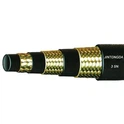
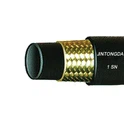
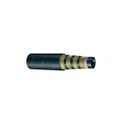
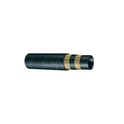
2. Structural design: The number of layers, reinforcement layer materials (such as fibers, steel wires, etc.), and wall thickness of the hose will all affect its pressure bearing capacity.
3. Diameter and length: The larger the diameter of the hose, the lower its pressure bearing capacity under the same material and structure; Excessive length can also increase internal pressure loss.
4. Working environment: Factors such as temperature, chemical contact, and mechanical stress can all affect the performance and lifespan of hoses.
Classification and selection
According to different work pressures, rubber hoses can be divided into three categories: low pressure, medium pressure, and high pressure. Low pressure hoses are generally used for transmission under non extreme conditions such as water and air. Medium pressure hoses are suitable for industrial fluids and hydraulic systems, while high-pressure hoses are commonly used in fields such as high-pressure cleaning and oil drilling.
In summary, the working pressure of rubber hoses is one of the core elements of their performance evaluation. Correctly understanding, selecting, and maintaining rubber hoses is not only related to operational efficiency, but also directly related to operational safety and economic benefits. Therefore, in specific applications, various factors should be comprehensively considered and scientifically and reasonably selected and used.