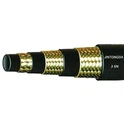
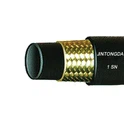
Rubber hoses and PVC pipes are two commonly used materials in many industrial settings. They are used to transfer liquids and gases from one place to another. Although they have different properties, they can be connected together to create a seamless system. Here are some steps on how to connect rubber hoses and PVC pipes.
1. Choose the right connector: The first step in connecting rubber hoses and PVC pipes is to choose the right connector. This connector should be able to attach to both the rubber hose and the PVC pipe securely. The connector should also be made from a durable material that can withstand the pressure and temperature of the liquid or gas being transferred.
2. Cut the rubber hose: If the rubber hose is too long, it may need to be cut to the appropriate length. Use a sharp pair of scissors or a sharp knife to do this. Make sure the cut is clean and straight to ensure a proper seal with the connector.
3. Fit the connector: Insert the rubber hose onto one end of the connector, making sure it fits snugly. You may need to use a lubricant to make the process easier. Once the rubber hose is fitted onto the connector, clamp it into place using a hose clamp.
4. Attach the PVC pipe: Once the rubber hose is connected to the connector, the PVC pipe can be attached to the other end of the connector. The pipe should fit snugly into the connector and be secured in place using a clamp.
5. Test the connection: Once the rubber hose and PVC pipe are connected, it's important to test the connection. Turn on the liquid or gas and check for any leaks. If there are no leaks, the connection is successful. If there are leaks, check the fittings and tighten them as needed.
In conclusion, connecting rubber hoses and PVC pipes is a simple process that can be done with the right tools and connectors. When connecting these materials, it's important to choose the right connector, cut the rubber hose to the appropriate length, fit the connector, attach the PVC pipe, and test the connection for leaks. Connecting these materials is a critical step in creating a seamless system for transferring liquids and gases and can ensure the success of any project.