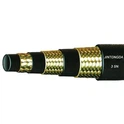
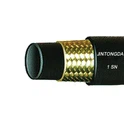
Rubber hoses are flexible and versatile, making them an indispensable part of many systems. The ability to bend a rubber hose 90 degrees is a valuable skill, especially in industrial settings where fluid and gas transportation systems are critical to operations. However, bending a rubber hose is not as simple as just twisting it around. Here's how to bend a rubber hose 90 degrees without damaging it.
Step 1: Choose the right hose material
Rubber hoses come in various materials, each with its unique strengths and weaknesses. When it comes to bending the hose, choose a material that is highly flexible and can withstand a 90-degree bend without rupturing or kinking. Silicone rubber hoses are the best for this task as they are very flexible and have a high temperature tolerance. You can also opt for reinforced rubber hoses that have a braided outer layer to provide additional strength.
Step 2: Warm up the hose
Before attempting to bend the hose, warm it up to make it more pliable. You can do this by using warm water or a heat gun. If using hot water, immerse the hose in a container filled with hot water for a few minutes. Be careful not to overheat the hose as it may cause damage. If using a heat gun, point it at the hose, about 6 inches away, and move it back and forth along the length of the hose until it becomes soft and pliable.
Step 3: Bend the hose
Once the hose is warm, you can proceed to bend it. Hold one end of the hose firmly and use your other hand to guide it into the desired shape. If the hose is too stiff to bend, warm it up a bit more. It's important to note that while you can bend the hose in any direction, a 90-degree bend is the maximum angle that you should attempt. Bending it beyond this limit may cause the hose to rupture or kink, rendering it unusable.
Step 4: Secure the hose
After bending the hose, make sure to secure it in place using hose clamps or zip ties. This will prevent it from springing back to its original shape and causing damage to other parts of the system. It will also ensure that the hose remains in the correct position and does not interfere with other components.
In conclusion, bending a rubber hose to a 90-degree angle requires careful consideration of the type of hose material and warming it up to make it pliable. By following the steps outlined above, you can bend a rubber hose without damaging it and ensure that your fluid and gas transportation systems operate without any issues. Remember to always use the appropriate protective gear, such as gloves and eye protection, when handling hot or sharp objects. With these precautions in place, you can handle rubber hoses with confidence and ease.