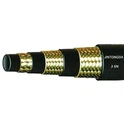
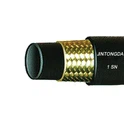
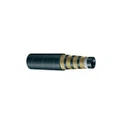
Rubber hoses are used in various applications to transport liquids, gases, and other materials from one place to another. They are made of high-quality rubber materials such as neoprene, nitrile, and EPDM, which are known for their excellent resistance to abrasion, chemicals, and weathering. Rubber hoses come in different types and sizes, depending on the specific application they are designed for. Among the most common types are air hoses, water hoses, oil hoses, and hydraulic hoses.


One of the most important factors to consider when selecting a rubber hose is its pressure rating, which refers to the maximum pressure that it can handle safely. The pressure rating of a rubber hose depends on several factors, such as the type of rubber used, the braiding material, and the design of the hose. Generally, rubber hoses can withstand pressure ranging from 150 to 1000 pounds per square inch (psi).
For instance, air hoses used in industrial applications can withstand pressure up to 1000 psi, while water hoses used in domestic and agricultural applications can handle pressure up to 400 psi. Oil hoses used in the automotive industry can withstand pressure ranging from 250 to 300 psi, depending on the type of oil they are designed for. Hydraulic hoses used in heavy machinery and construction equipment can handle pressure ranging from 1000 to 5000 psi, depending on the size and length of the hose.
The pressure rating of a rubber hose is essential in ensuring the safety and efficiency of the system it is installed in. If a hose is subjected to pressure higher than its rating, it may burst or leak, causing damage to the equipment and posing a danger to the user. Therefore, it is crucial to select the right type and size of rubber hose that can handle the pressure requirements of the application it is intended for.
In conclusion, rubber hoses are essential components in various applications, and they can withstand pressures ranging from 150 to 5000 psi, depending on the type and size of the hose. It is crucial to select the right type of hose that can handle the pressure requirements of the application to ensure the safety and efficiency of the system. By choosing high-quality rubber hoses and following the manufacturer's recommendations, one can ensure the longevity and reliability of the system they are installed in.