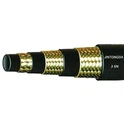
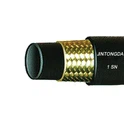
Rubber hose is widely used in various places, and has been loved by the majority of users.
The rubber pipe is characterized by a particularly good resistance to gasoline and aliphatic oils, second only to polysulfide rubber, acrylic ester and fluorine rubber, and superior to other general purpose rubber. The rubber pipe has good heat resistance, air tightness, wear resistance and water resistance, and strong adhesion. The disadvantages are poor cold resistance and ozone resistance, low strength and elasticity, poor acid resistance, poor electrical insulation, and poor resistance to polar solvents. Operating temperature range: about -30℃ ~ +100℃. Rubber is mainly used in the manufacture of various oil resistant products, such as hose, sealing products.
The relevant knowledge points about rubber tubes are introduced to you here first, I hope the above content can be helpful to you, thank you for your viewing and support, if you don't understand where or want to consult can contact our staff directly, we will serve you wholeheartedly.
The role of rubber tube is to play the role of fire resistance and flame retardant, mainly used in steel mills and other harsh environments with high working temperature. So what are the requirements when it is processed? Next, our staff will give you a brief introduction to the relevant knowledge points of rubber tubes. Rubber pipe should pay attention to the working pressure of the environment when processing, choose the corresponding rubber pipe, determine the length of the hydraulic hose assembly, the length is appropriate, can not be short, can not be too long, determine the length after armored processing, if the external environment is high temperature, you need to add asbestos, flame retardant effect, generally add a layer of asbestos, the external temperature is too high plus two layers of asbestos, If it is higher, it is necessary to install silicone fire protection jacket on the outside of the rubber pipe.
Jul 26, 2023
How To Choose Their Own Rubber Hose
Send Inquiry