Firstly, the pressure resistance of the hose
The pressure resistance of a hose refers to the maximum pressure it can withstand at a certain temperature and pressure. The pressure resistance of hoses is related to factors such as materials and design. Generally speaking, the maximum pressure resistance of a hose can reach several hundred kilograms to thousands of kilograms. According to different application fields and requirements, the pressure resistance of hoses may also vary.
1. Pressure resistance of rubber hoses
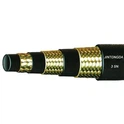
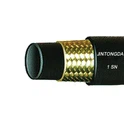
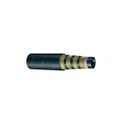
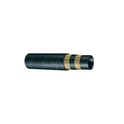
Rubber hoses can generally be divided into low-pressure hoses and high-pressure hoses. The pressure resistance of low-pressure hoses is generally below 10 kilograms, while the pressure resistance of high-pressure hoses can reach hundreds to thousands of kilograms. Different rubber materials and design schemes can also affect the pressure resistance of hoses.
2. Pressure resistance of plastic hoses
Compared to rubber hoses, plastic hoses have lower pressure resistance. Generally speaking, the pressure resistance of plastic hoses is generally below 10 kilograms. However, in some special application areas, there are also high-strength plastic hoses.
3. Pressure resistance of fiber hoses
Fiber hoses are commonly used in low-pressure applications, and their pressure resistance is generally below 10 kilograms. However, with some special fiber materials and design schemes, its pressure resistance can also reach several tens of kilograms.
Secondly, the selection of hoses
When selecting hoses, it is necessary to choose appropriate hose materials, designs, and specifications based on different application fields and needs. Here are some commonly used hose materials and application scenarios:
1. Rubber hoses: generally used in high-pressure situations, such as oil pressure, hydraulic, automotive braking, and other fields.
2. PVC hose: generally used in low-pressure situations, such as household water, irrigation, air conditioning drainage, and other fields.
3. Nylon hose: generally used in hydraulic, high-pressure gas transportation and other fields.
4. Polyurethane hoses: generally used in fields such as spraying and injection molding, with high wear resistance and corrosion resistance.
It should be noted that hoses should be used under specified conditions such as temperature, pressure, flow rate, and medium to ensure their safety and service life.
The pressure resistance of a hose is related to factors such as material and design. Generally speaking, the maximum pressure resistance of a hose can reach several hundred kilograms to thousands of kilograms. When selecting hoses, it is necessary to choose appropriate hose materials, designs, and specifications based on different application fields and needs.