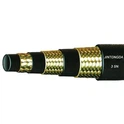
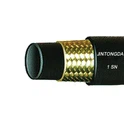
Hydraulic hoses, as a modern industrial product, are widely used. They are designed to transfer pressure and load in rubber products. Hydraulic hoses are combined with the hose itself, offering good elasticity and strength, as well as a long service life. They can be used in various environments and on different types of equipment. Due to their excellent corrosion and pressure resistance, hydraulic hoses are also suitable for use in equipment that is exposed to chemical media.
So, how do they work and what ensures their longevity? Of course, this is important information you need to know.
1. Proper Use of Hydraulic Hoses
To maximize the service life of a hydraulic hose, it is crucial to use it correctly. When installing and using hydraulic hoses, always follow the relevant operating guidelines. If the connection bolts are loose, it can damage the rubber hose. If the hose and the nut do not fit properly, it will lose its buffering ability, preventing the oil from functioning properly and causing a drop in working pressure. If the nut is loose, it will cause oil leakage at the joint, which could render the equipment inoperable and damage both the equipment and its components. Therefore, it is essential to properly design, replace, and maintain hydraulic hoses.
2. Operating Temperature
The operating temperature of the hose is very important. The higher the temperature, the worse the performance of the hose. Conversely, lower temperatures improve its performance. The aging process of rubber produces toxic gases, aerosols, and fumes. Therefore, the operating temperature must be strictly controlled and kept below 60°C. If the temperature exceeds this limit, the hose will harden, which will reduce its quality and make maintenance difficult, potentially even leading to the need for scrapping. Additionally, high temperatures can weaken the strength of the hose, increasing the risk of leaks. It is essential to choose the right product for the intended application to achieve optimal performance.
3. Working Pressure
Hoses are made from rubber, and when the pressure exceeds the rated working pressure, the rubber will harden or even rupture. Hydraulic hoses are known for their good elasticity, which makes them widely used in industries such as paper, textiles, petroleum, mining, and petrochemicals. Their working pressure ranges from 5 to 1500 MPa. If the pressure exceeds the specified limits, proper handling of the hydraulic hose is necessary to prevent damage. Failure to do so can result in the hose being exposed to higher pressures than it can withstand, leading to operational failures and a shortened lifespan. Therefore, it is crucial to correctly select the pressure rating and length of the hydraulic hose. Improper use or poor-quality hoses can cause performance degradation, damage, and even lead to irreversible losses, posing serious risks to workers' safety.
4. Tightness
In industrial applications, liquid leakage is inevitable. In many industries, sealing plays a crucial role. It not only affects the normal operation of equipment but also has a certain impact on the environment. Inside the hydraulic hose, there is a plastic film. If the sealing is not effective, the internal liquid can leak into the equipment, causing serious damage. Therefore, it is essential for rubber hoses to have good sealing properties in practical applications. Otherwise, leakage or even explosion could occur. This is something to be taken into account. When selecting rubber materials, attention must be given to the sealing requirements of the product to ensure the long-term, stable operation of the equipment.