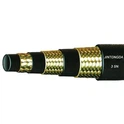
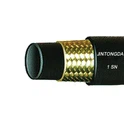
Rubber pipe is a common pipe material, widely used in various industries. Proper storage and maintenance of rubber tubes can extend their service life and ensure their safe and reliable operation. This article explains how to properly store and maintain rubber tubes.
First, storage rubber tube
1. Storage environment selection: the rubber pipe should be stored in the indoor ventilated and dry warehouse to avoid direct sunlight and rain. The relative humidity in the warehouse should be kept between 50-60% to avoid excessive moisture absorption or drying of the rubber surface.
2. Storage location selection: the rubber tube should be stored on a flat and clean ground to avoid contact with sharp objects and excessive stacking to cause deformation of the rubber tube. The pipe should be kept in vertical or horizontal storage to avoid excessive internal stress.
3. Prevent bending and extrusion: In the storage process, should avoid bending, extrusion or clamping rubber pipe, so as not to damage its internal structure. Especially for soft rubber tubes, more attention needs to be paid to avoid extrusion deformation.
4. Avoid contact with chemical substances: rubber tubes should avoid contact with acid, alkali, grease and other chemical substances during storage to prevent rubber deterioration or corrosion.
Second, maintain rubber tubes
1. Regular cleaning: the rubber tube is easy to accumulate dust and dirt during use, and the rubber tube should be cleaned regularly to prevent dirt erosion and accumulation affecting its performance.
2. Pay attention to temperature: the rubber tube should pay attention to the control of temperature during operation to avoid exceeding its temperature range, so as not to accelerate aging and deterioration.
3. Avoid over-stretching: the rubber tube should be avoided during installation and use, so as not to damage the internal structure of the rubber tube, resulting in leakage or fracture.
4. Regular inspection: Check the rubber pipe regularly, including the appearance, connection parts and internal structure, and repair or replace the problem in time.
5. Protective measures: According to different use of the environment and conditions of use, take appropriate protective measures, such as the installation of sheaths, shields or the use of pressure sleeves, etc., to improve the durability and safety of rubber tubes.
Proper storage and maintenance of rubber tubes is essential to extend their service life. By choosing the appropriate storage environment and location, avoiding bending, extrusion and contact with chemical substances, regular cleaning and inspection, you can ensure the safe and reliable operation of rubber tubes.